The local botanicals from our landscapes.

Our gin contains nine botanicals: some chosen for flavour, others for balance, and those that we can forage, found across our landscapes.
It was important to us to include botanicals that are widely found, yet largely overlooked. Our recipe started by compounding (infusing the spirit over time) gin with local flora and seasonal fruit to understand their flavours and effects on the spirit.
We’ve used our research and foraging experience to explain the spectacular botanicals our landscapes produce.
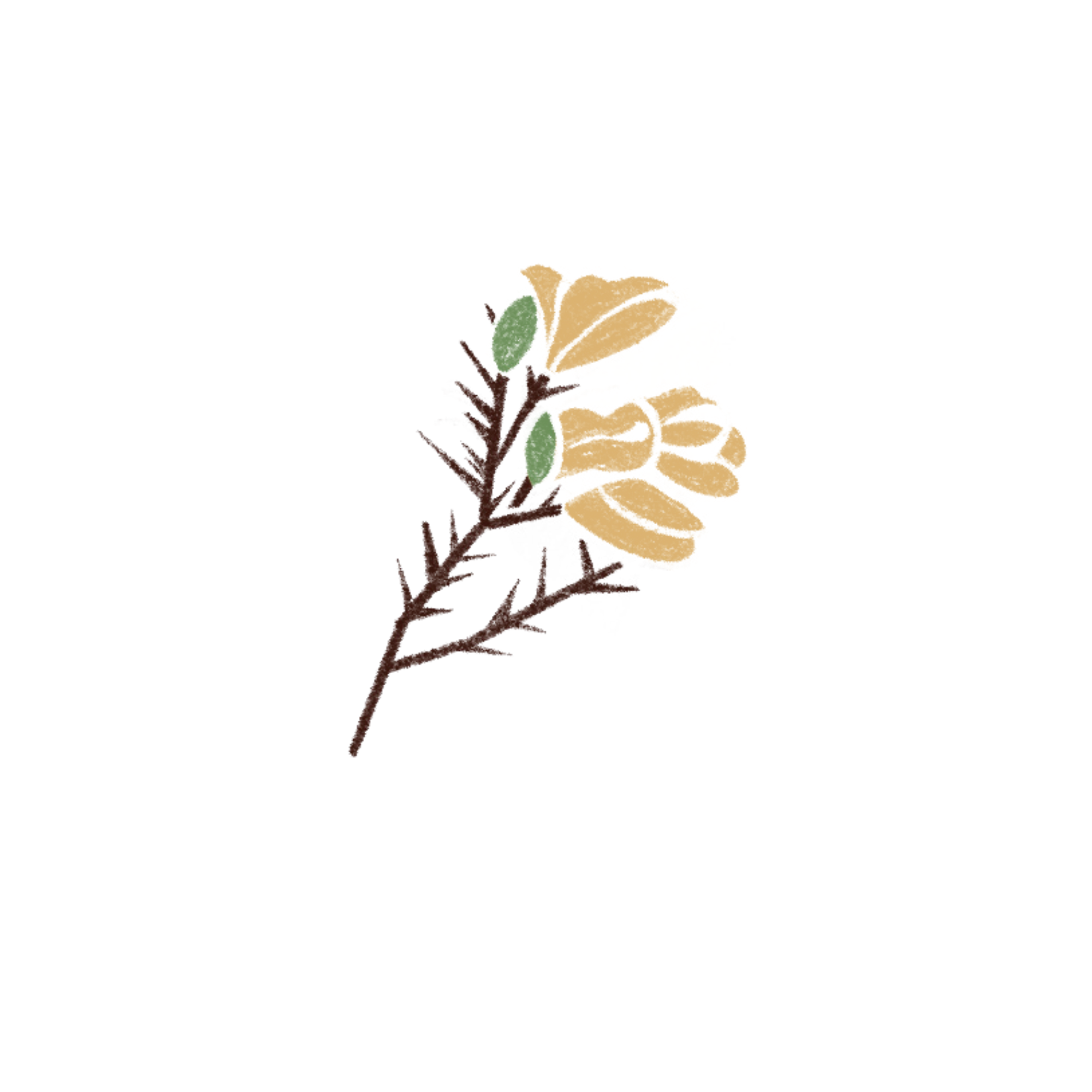
Gorse flower
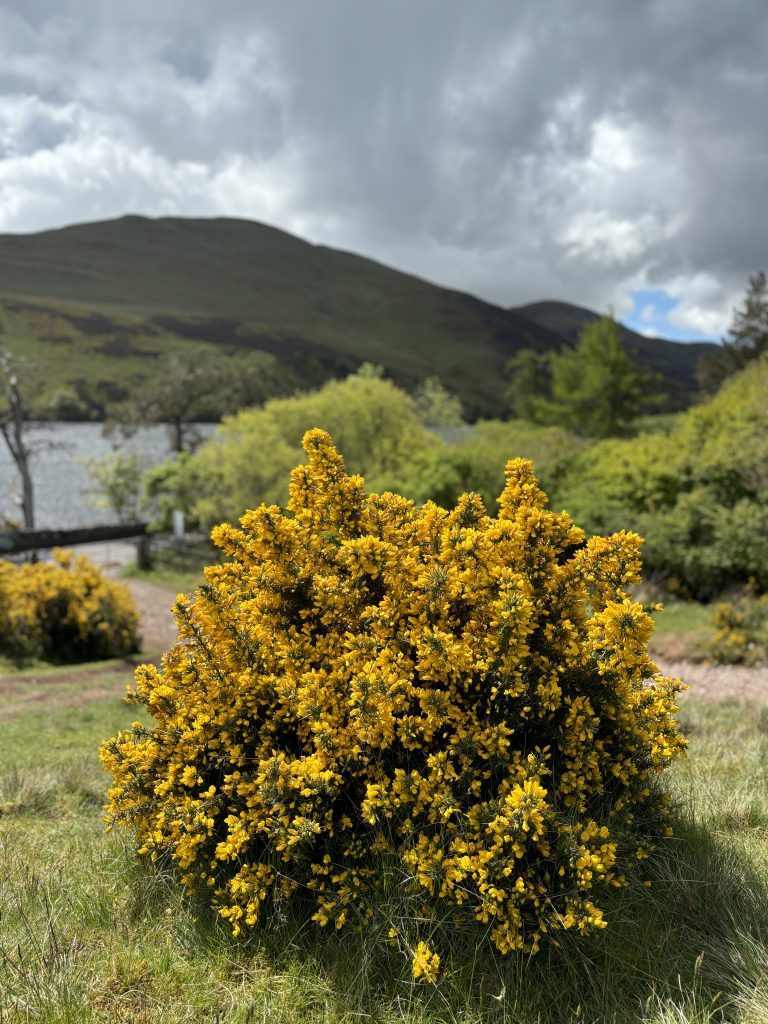
Gorse grows across Scotland, in all kinds of places. In spring, yellow cascades down the hillsides overlooking Colinton. The flowers are easy to pluck away and are most often in bloom during the spring.
Gorse blossoms on their own can be astringent; when extracted into an alcoholic spirit, this sharp astringency is softened, and the complex, rich aromas of warm coconut, sweet vanilla honey, and nutty-almond shine through. You can expect notes of sun-warmed vanilla and bright floral sweetness.
The notes are smooth, creamy, comforting and uplifting; the mouthfeel is velvety and smooth. While the top notes are of sweet vanilla, honey, almonds and cream, there is a complementary tangy, grassy note that balances the flavours beautifully together.
Healther
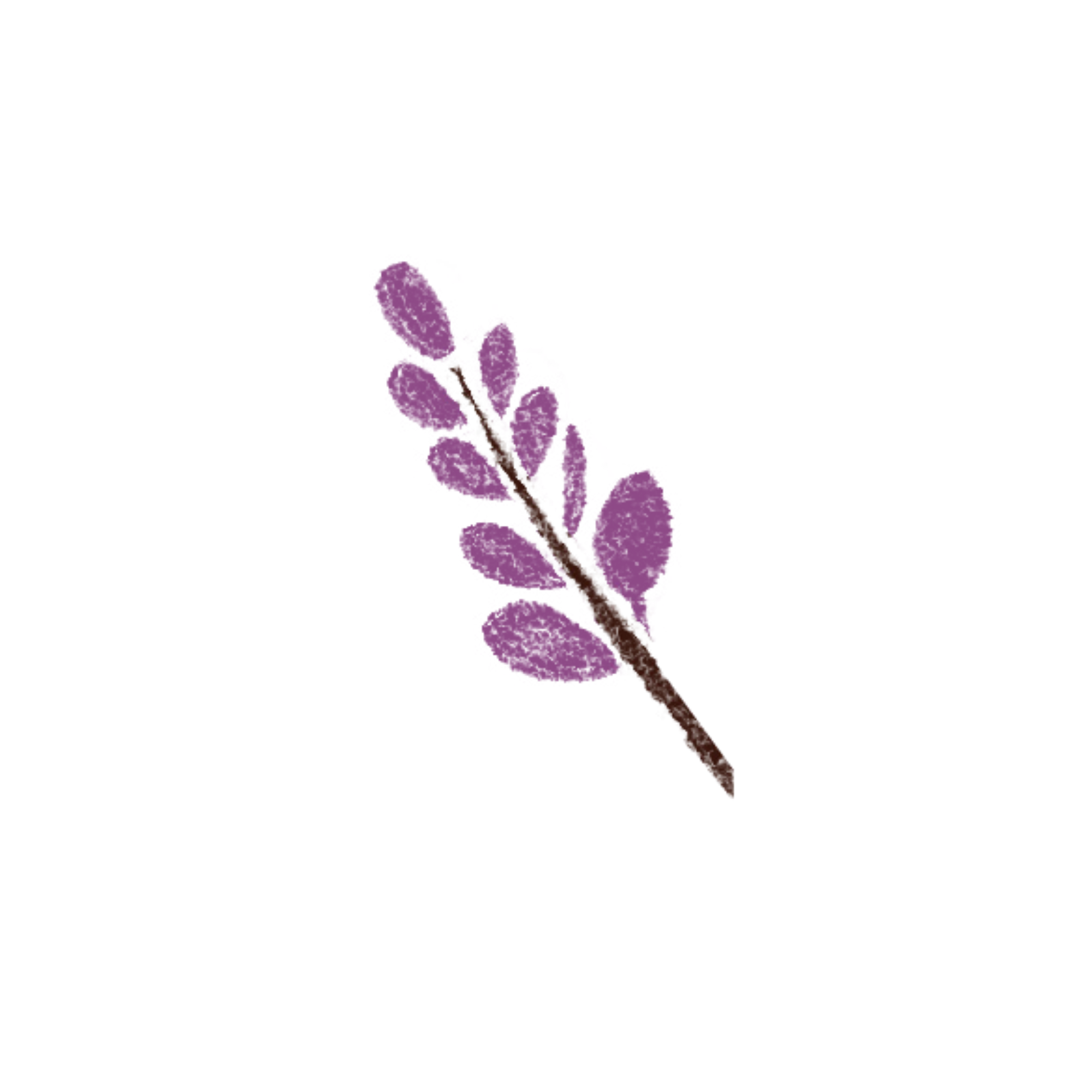
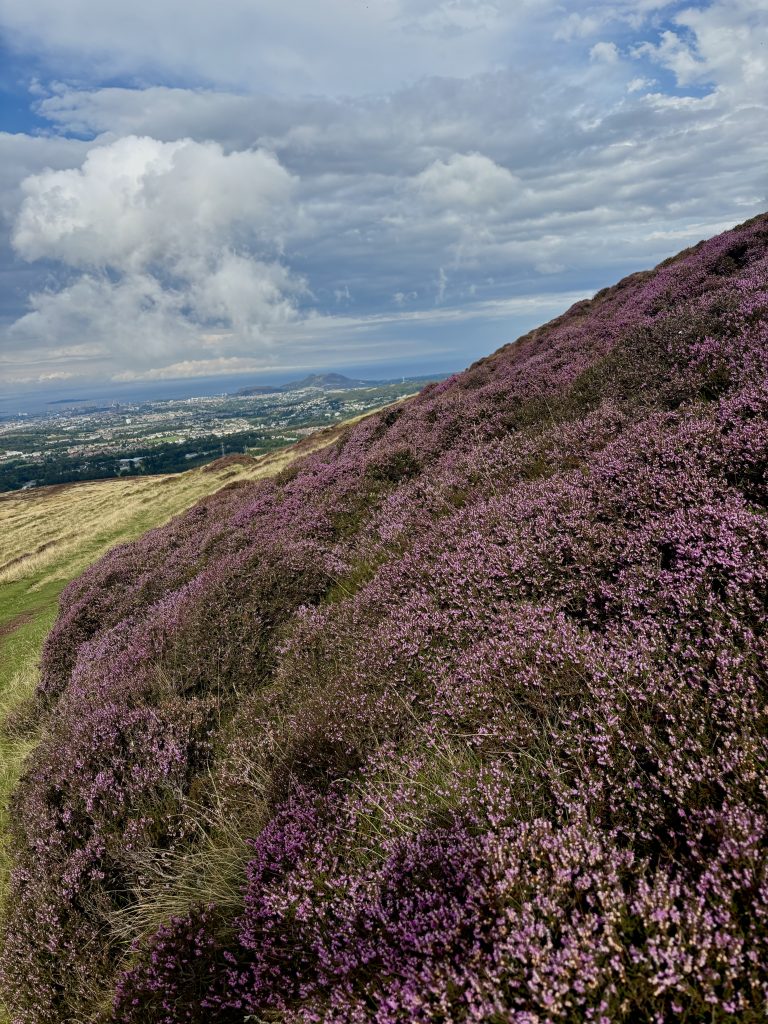
Pockets of purple heather grow down the slopes of the Pentland Hills during the late summer months. Heather is so abundant that most have no trouble finding it. You can easily clip the fresh, purple -flowered tips during peak bloom. The older, woody stalks and roots should be left untouched.
The heady perfume of Heather is obvious from the outset. The blossoms on their own are intensely floral; when extracted into an alcoholic spirit, the notes are sweet like highland honey, and reminiscent of dried lavender, chamomile and a subtle, tea-like earthiness. The finish of Heather helps to balance the heavier pine and citrus notes.
The notes are deep, floral, sweet and grounded. While the top notes carry the sweet perfume of summer honey.

Pine
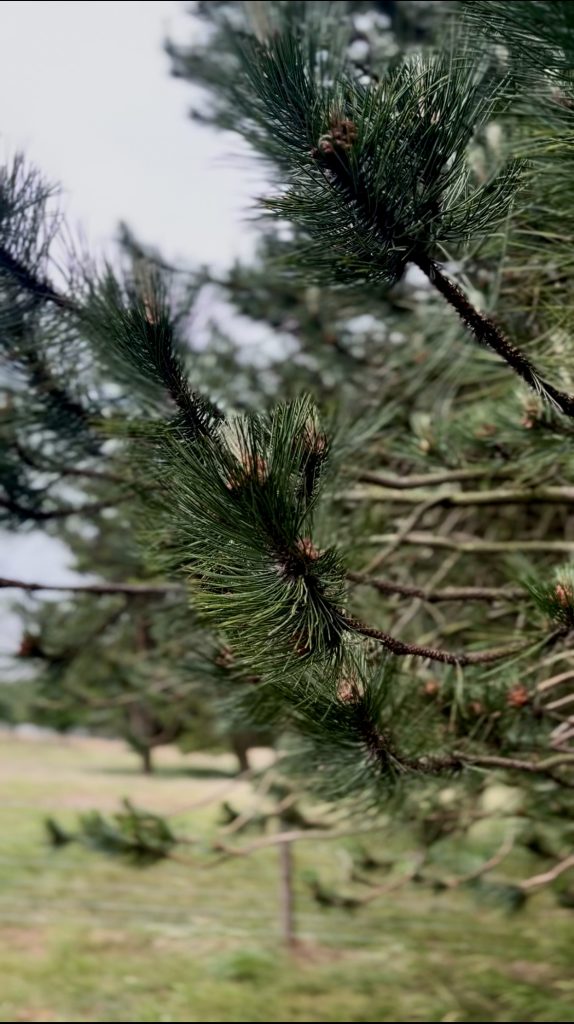
Scots pine is omnipresent across our landscapes, from the Pentland Hills to the leafy dells.
Easily identified, it’s possible to forage young, vibrant lime-green needle tips in late spring by gently snipping the fresh growth at the branch ends. The dark, mature needles and main branches should be left intact to avoid harming the tree.
Scots Pine is instantly resinous and citrusy. When infused into an alcoholic spirit, the fresh tips unleash clean, bright top notes of sharp citrus and crushed pine needles, a resinous warmth with hints of eucalyptus, like crisp winter air, and a delicate woodsy spice.
Scots pine is crisp, refreshing, and wild. While the initial sip delivers a burst of citrus peel and sweet resin, the finish lingers with a cool, forest-floor warmth that leaves the palate feeling clean and connected to the wilderness.
Rosehip
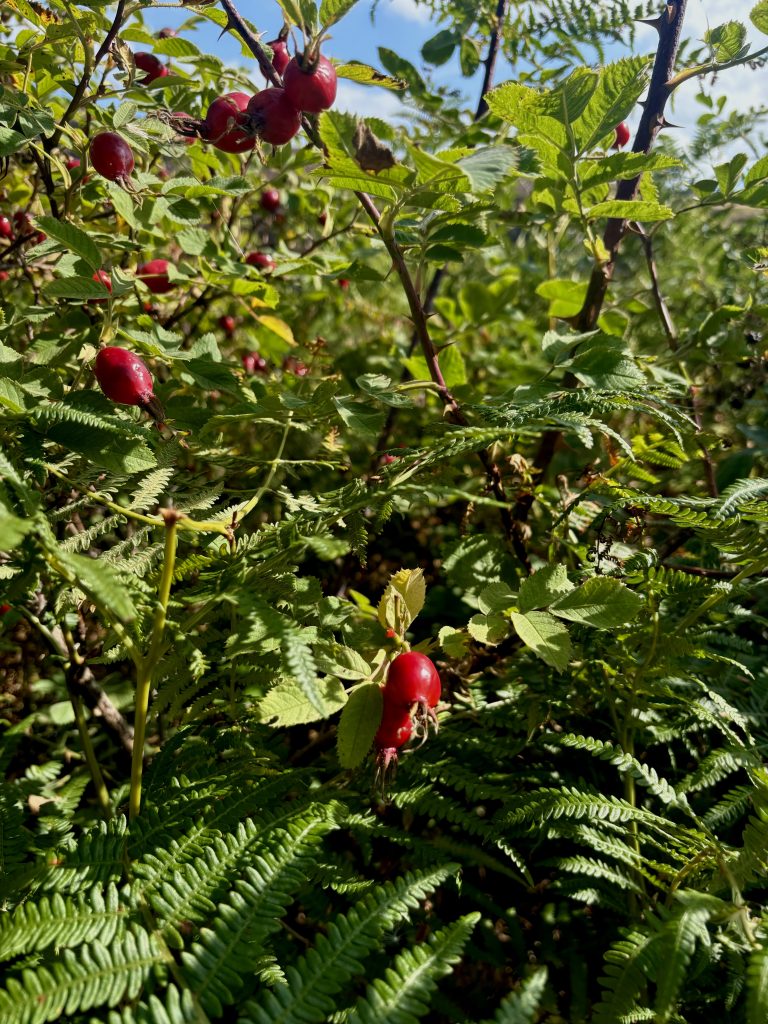
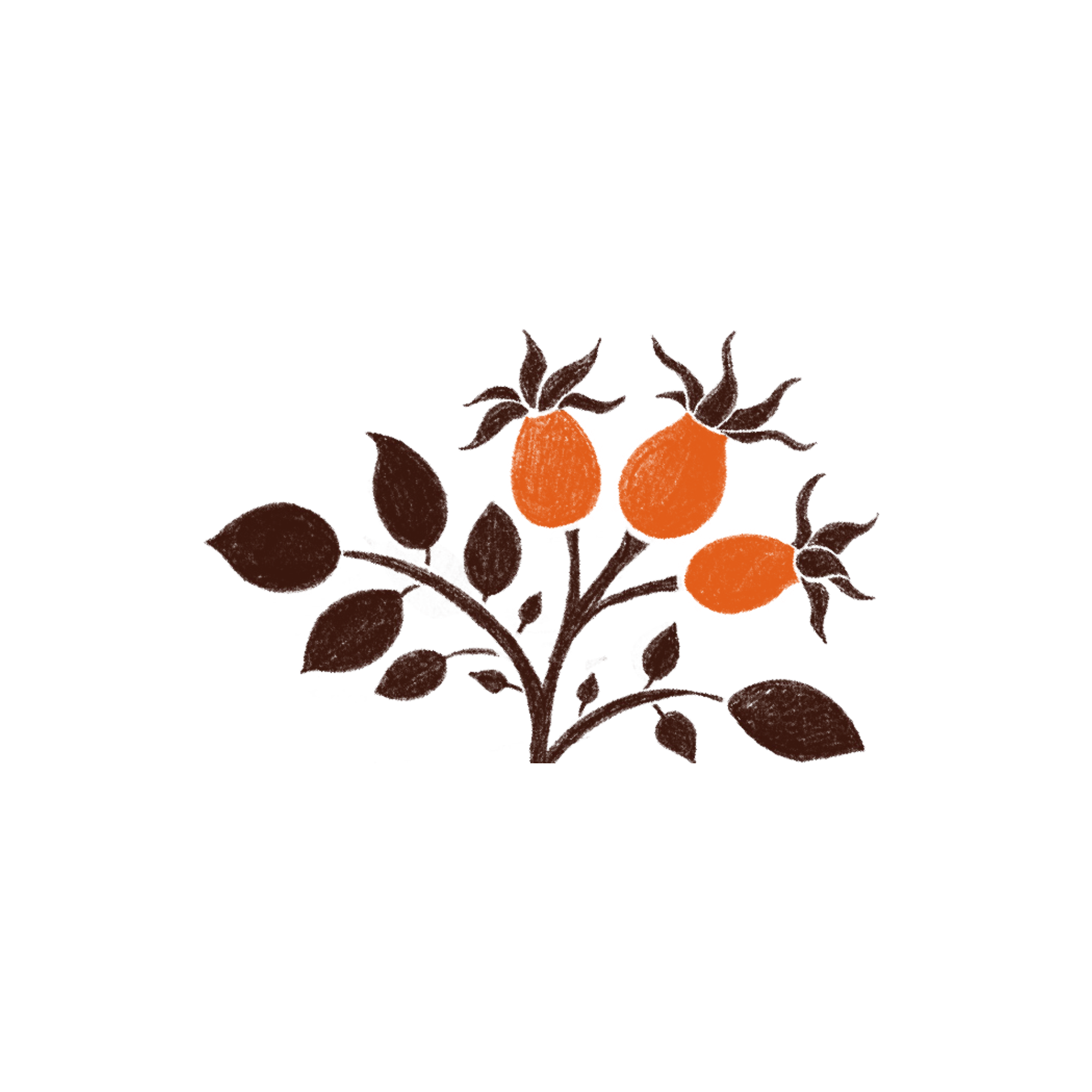
Wild soft rosehip thrives along sunny woodland edges. It is easily identified by delicate, bright scarlet-red hips that ripen in late summer and early autumn. You can forage the fruit by snipping them cleanly from their stems, leaving the thorny branches untouched and using only the outer flesh to avoid the irritating inner seeds.
The aroma of wild soft rosehip is vibrant, with tangy top notes of tart cranberry, ripe plum, and red currant, underlying a deep, honeyed sweetness reminiscent of spiced rose preserves and dried hibiscus. In a gin, it provides swirls of bright citrus notes and a complex, sweet-tart balance.
This play between sweet and tart brings captivating intrigue to the spirit, keeping the palate guessing and inviting you in for another sip.