Colinton is a little-known part of Edinburgh, but it steals the heart of every visitor.
It is a historic water-mill village that is home to thousands of years of history, and, while now within the Edinburgh city limits, has retained its quaint and idyllic character.
At every turn, there is something remarkable here. It’s rich cultural history and heritage; access to natural escapes in the stunning Pentland Hills and reservoirs; and – what inspired us most – the twisting and turning walkways of the Water of Leith.
History flows through this place, as does the water that gives it life and beauty. Colinton is one of Edinburgh’s spectacular hidden gems.
We think that Colinton, and its history, are worth celebrating, and it inspires our small batch Scottish Gin.
Before we begin, if you’re thinking of visiting Colinton, here is our guide.
Before recorded history began.
The area we now know as Colinton was once called Hailes (meaning “mounds” or “hillocks”). The small settlement grew within a wooded glen beside a ford over the Water of Leith, a shallow crossing point that was important for travel long before modern bridges existed. Travellers from Melrose Abbey to Dunfermline Palace. Kings, queens, gentry and generals passed through on their travels.
It is possible that the natural fording point was travelled well before recorded history. Evidence of Iron Age (1500BC – 500BC) fortifications (Clubbiedean) and Roman (est 400AD) remains (Castlelaw) have been found close by – stories that could be between 1500 and 3000 years old .
As time flowed by, Colinton saw 12th-century Norman barons, became the stage for battles between the English and Scottish Crowns during the 16th century, a water-milling powerhouse in the 18th centry and influenced the flowing rhymes and words of Robert Louis Stevenson (who used the Yew tree behind St Cuthbert’s Church as a swing, long before he was a world-famous writer.
Here is the story of our village, and how it inspires us every day.
A church and a crossing: 1095
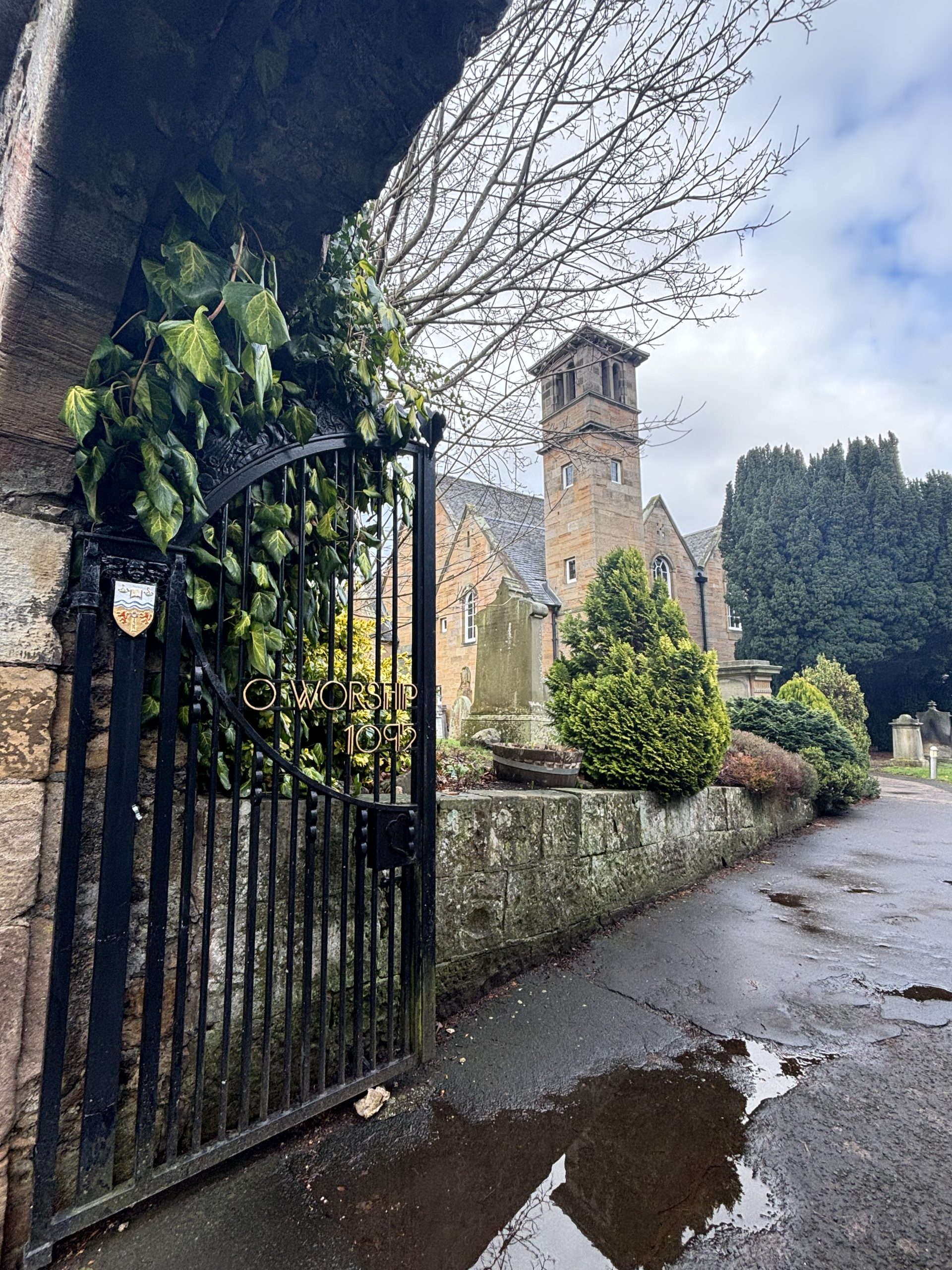
The earliest record of Colinton dates back to around 1095, when Ethelred, the third son of King Malcolm III “Canmore” and Queen Margaret, founded what became St Cuthbert’s Parish Church – originally known as the Church of Halis (or Hailes) – perched up high on the banks of the Water.
The original church was under the authority of Dunfermline Abbey – the historic seat of the Scottish Kings. The church set an important boundary of influence as the “Kingdom of Scotland” expanded to both sides of the Firth of Forth. Its presence is confirmed in history by a Papal Bull from Pope Gregory IX.
The church was rebuilt in 1248 and stood until 1544 when it was destroyed by the English invasion (famous called the “Rough Wooing” a part of a campaign to draw the Scottish gentry from Catholic French influence). The current church site was established in 1636 and rebuilt twice in 1771 and 1907 – later renovated in the 1990s (what we see today).
The Church is the oldest part of the village, and is still today a community hub.
Learn more about: Colinton Parish Church History
“Rough Wooing” and Scottish Civil War – 16th & 17th Centuries
The 16th century saw further political and religious convulsions that reverberated across the 16th and 17th centuries.
Merchiston Castle School on the far side of the Dell; on the grounds stood Colinton Castle, a 12th-century structure used as a Hunting Lodge of Mary Queen of Scots. Her claim to the English and Scottish throne was crushed in 1573 after the 5-year Marian Civil War, where she was exiled and later executed (1587).
The 17th century saw further turmoil, resulting in the Scottish Civil War (1644 -1645), a power struggle of dominance between the Protestant and Catholic rivals for both the English and Scottish crowns.
Colinton saw 10 companies of Oliver Cromwell’s troops (Coldstream guards) occupy the village in 1650. Their revenge on the Royalist baron was swift, and the companies plundered and destroyed many of the buildings on his estate – including the parish church and nearby Colinton Castle.
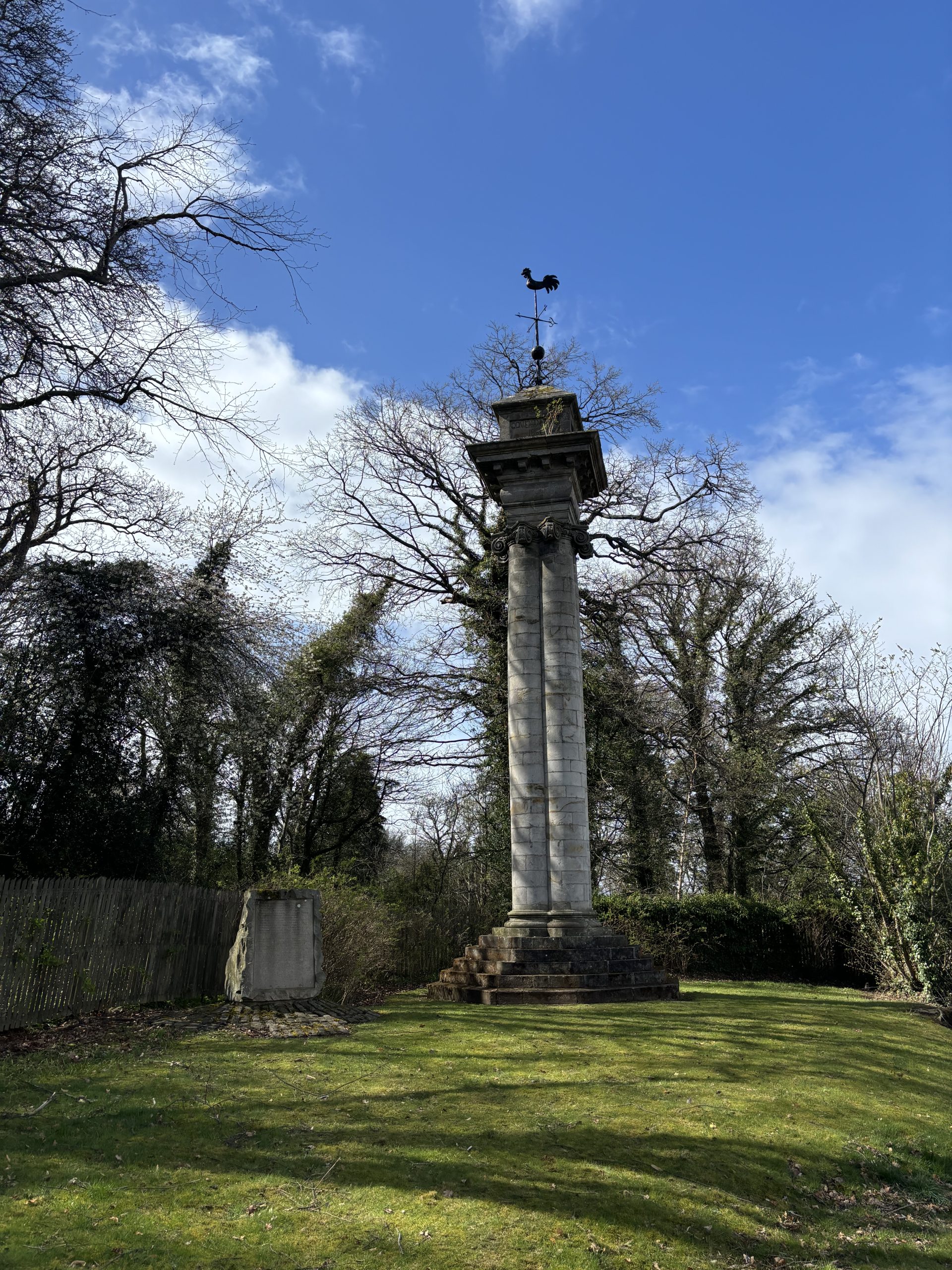
The scars of the civil war ran deep, and the wounds of resentment in Colinton still festered. The tensions came to a head again with the 1666 Pentland rising, and it was at Colinton that the Scottish government triumphed over the Convenanter dissidents at the Battle of Rullion Green.
The battle is commemorated by the Covenanter Memorial, which can be found outside Dreghorn Barracks.
The Mill Village: Water and Industry
As the dust of the conflict which defined the previous 200 years, Colinton’s industry saw it’s own revolutions, from pastoral agriculture to a modern industrial powerhouse.
The village’s manufacturing industry was made possible by the steep glen with fast-flowing water, powering industry long before steam or electricity.
Spylaw Mill (situated below the Parish Church, and the land that is now part of the graveyard) was first erected in 1585 as a lint mill. The mill continued its manufacturing activity until 1916, when it was demolished by fire.
Upper Spylaw Mill, found roughly a mile upriver from Colinton (adjacent to West Mill Road) is Scotland’s 4th oldest paper mill. First producing paper in 1682 and later snuff in 1765. The owner was William Reid, a great rival of James Gillespie. In April 1776, a report in the Edinburgh Advertiser recorded a raid by police, who found smugglers with green and Bohea tea from China, and Brandy!
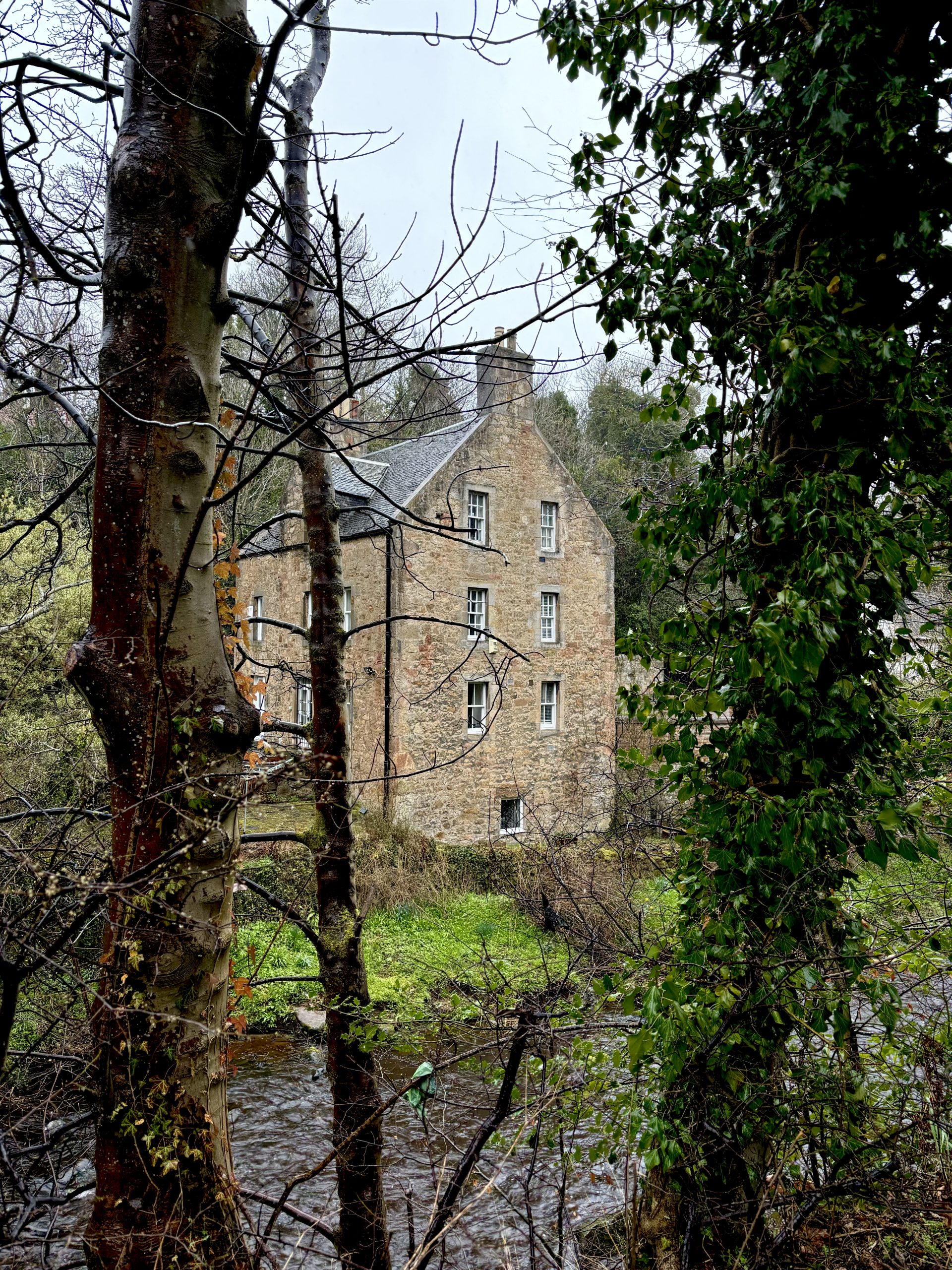 Upper Spylaw Mill
By the late 19th century, there was 71 recorded mills along the river near Colinton. Over the years they produced paper, flour, corn, barley, snuff and paper. The industry in the village grew, being home to a distillery (important to us), a skinnery and tobacco, magnesia, waulked clith and flax factories, making Colinton one of the region’s industrial powerhouses.
It was said that at one point, the first banknotes printed for the Bank of Scotland were printed on paper made in Colinton’s mills, a testament to the village.
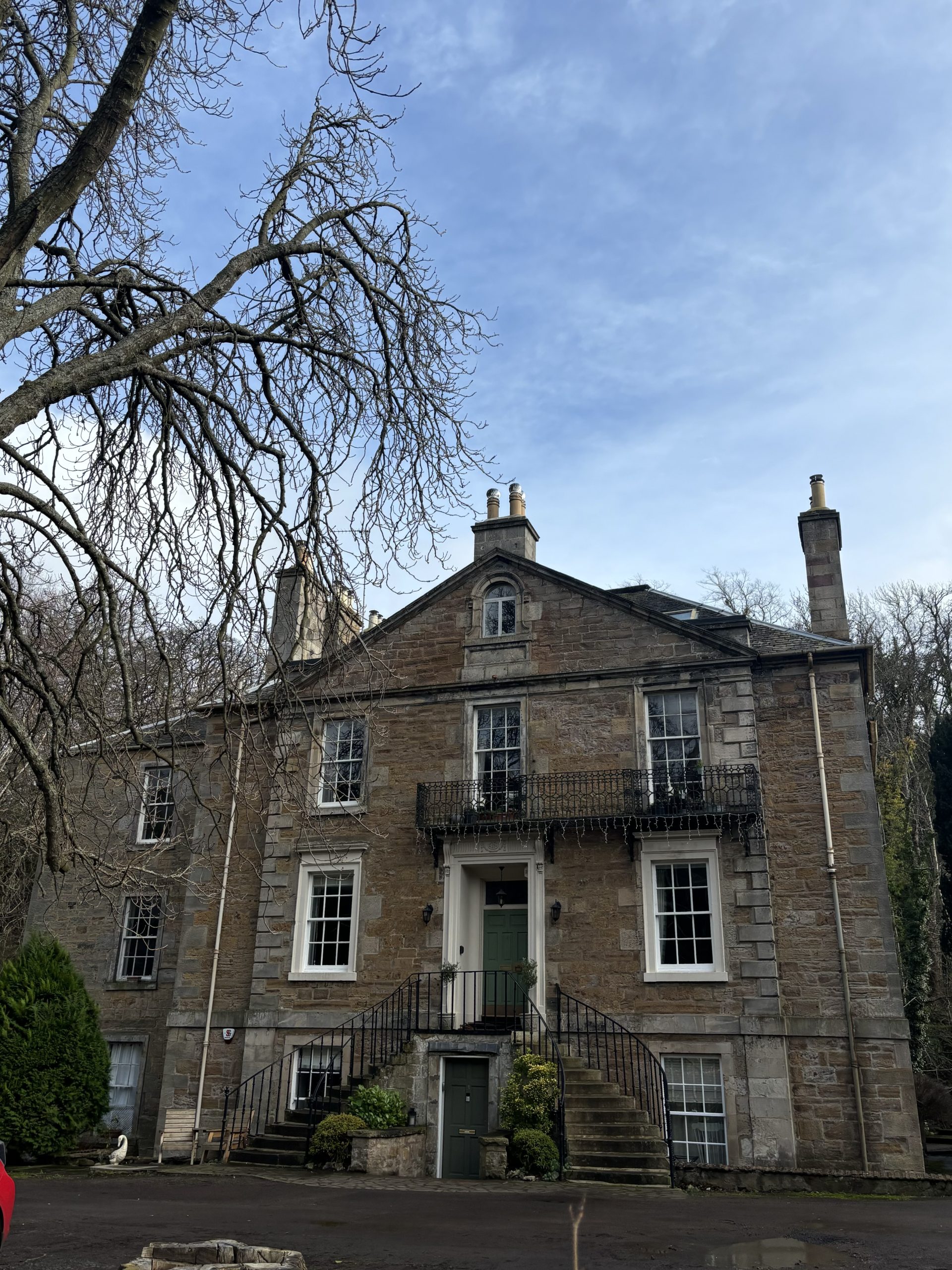
One of Colinton’s most fascinating historical figures was James Gillespie (1726–1797) – a tobacco and snuff merchant who lived at Spylaw House, situated in the middle of Spylaw Park, which was built in 1773, with his mill incorporated into the rear.
The house was later turned into a Youth Hostel in the 1940s, and later into flats in 1972. Spylaw park was a popular venue for day-trippers in the 1920’s and 1930’s, but the tram service to Colinton was terminated in 1955.
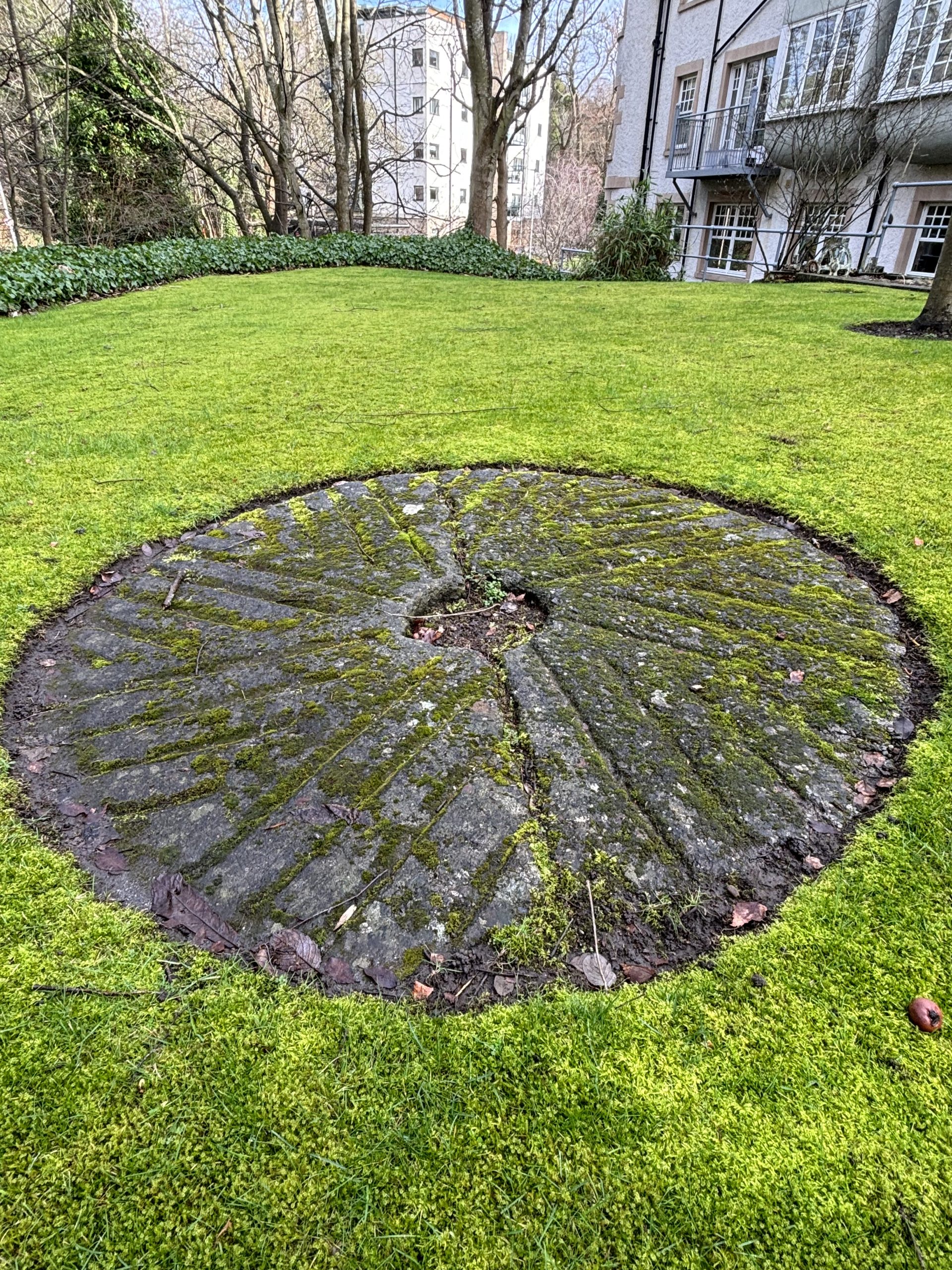
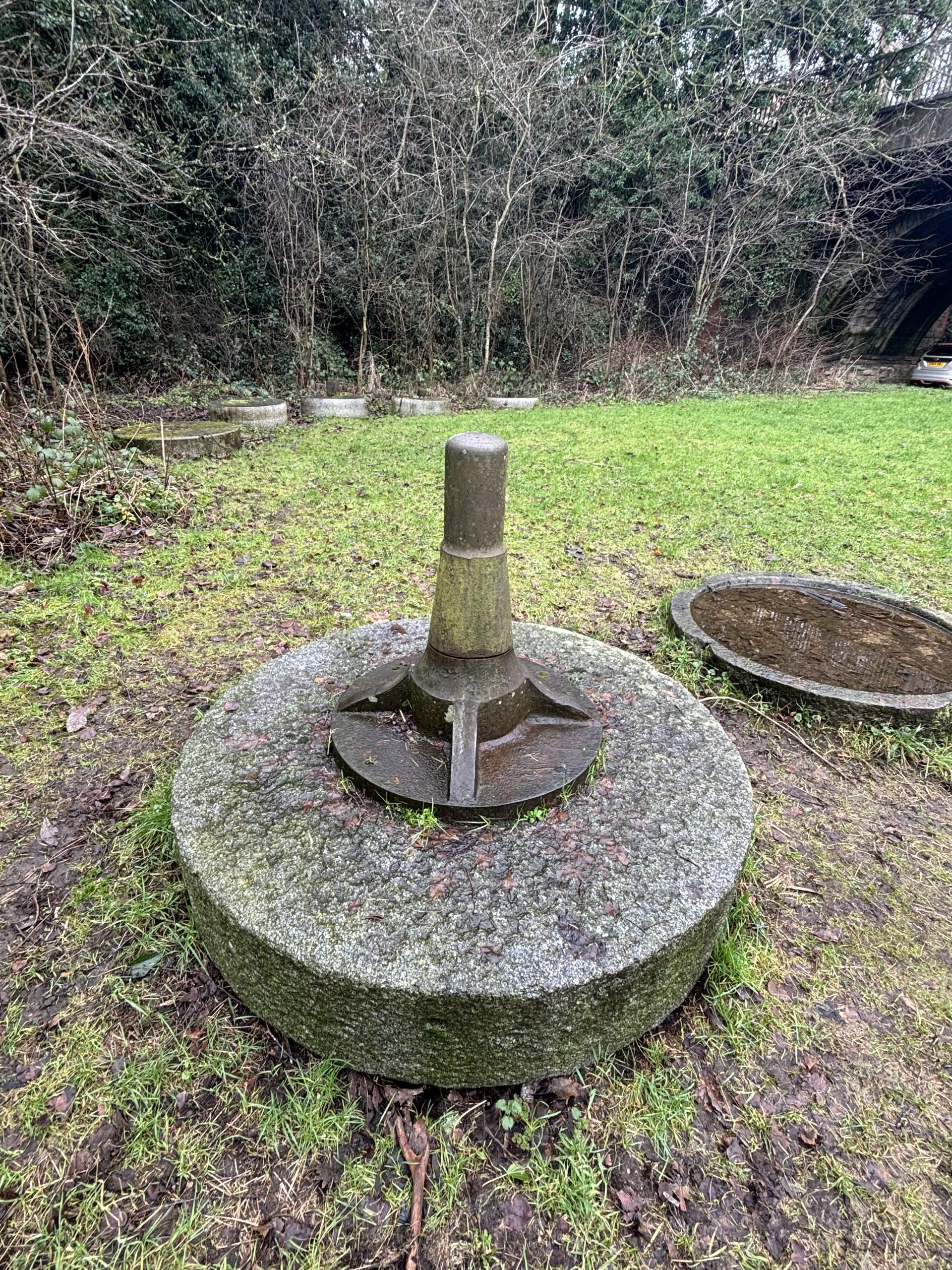
It is still possible to walk along the Water of Leith and spot old Mills that have been converted into houses, or left as ruins. Millstones, which inspire our name, can be found all over Colinton.
Robert Louis Stevenson (1850–1894).
Robert Louis Stevenson was born in Edinburgh on 13 November 1850.
He is best known as a novelist, poet, travel writer, and essayist, authoring some of the most enduring works of Western literature, including:
Treasure Island (1881), Kidnapped (1886), The Strange Case of Dr Jekyll and Mr Hyde (1886), A Child’s Garden of Verses (1885)
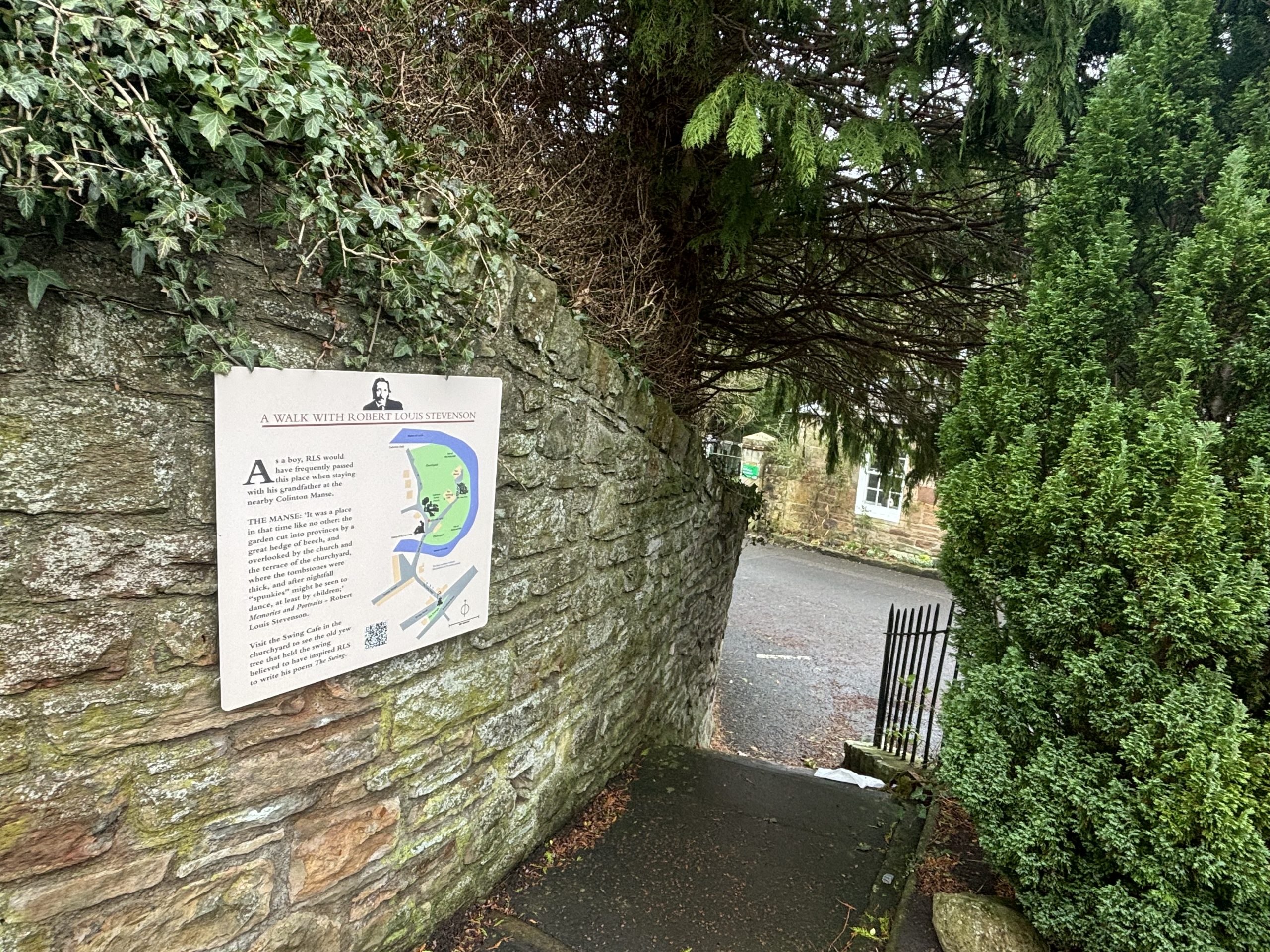
Stevenson’s maternal grandfather was Dr Lewis Balfour, who served as **minister of **St Cuthbert’s. Parish Church in Colinton from 1824 until his death in 1860.
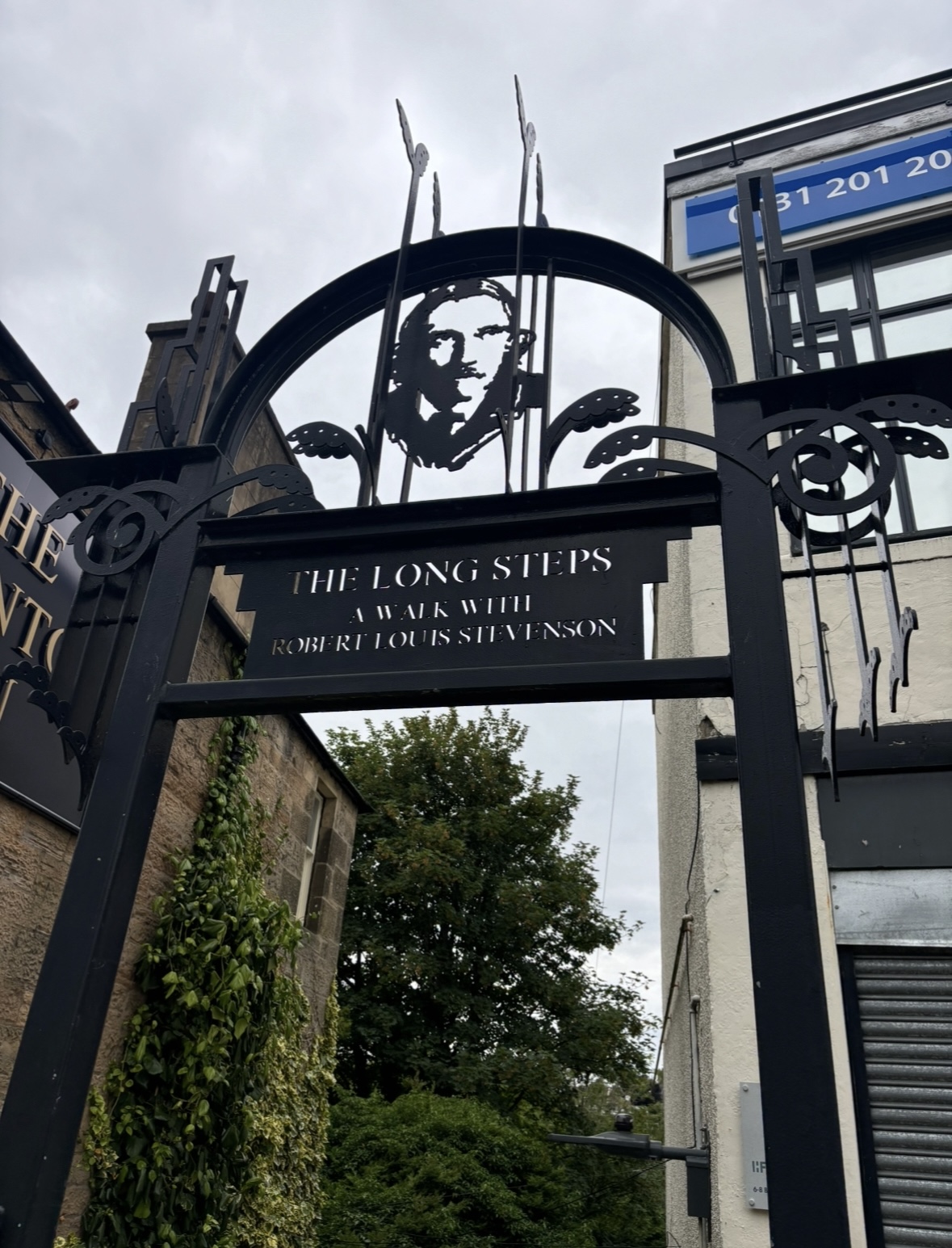
As a child, Stevenson spent a great deal of time in Colinton visiting his grandfather’s manse and the Water of Leith.
Local tradition holds that he played on a swing in the garden of Colinton Manse under a yew tree, experiences he later reflected in his poetry.
This connection is tangible in the village today: the Colinton Community Conservation Trust has created a “Walk with Robert Louis Stevenson” poetry trail featuring excerpts of his work and a statue of him as a boy.
The same flowing riversides and vistas that inspired so much of Stevenson’s work also inspire the creativity behind our gin.
Railways & the Colinton Tunnel
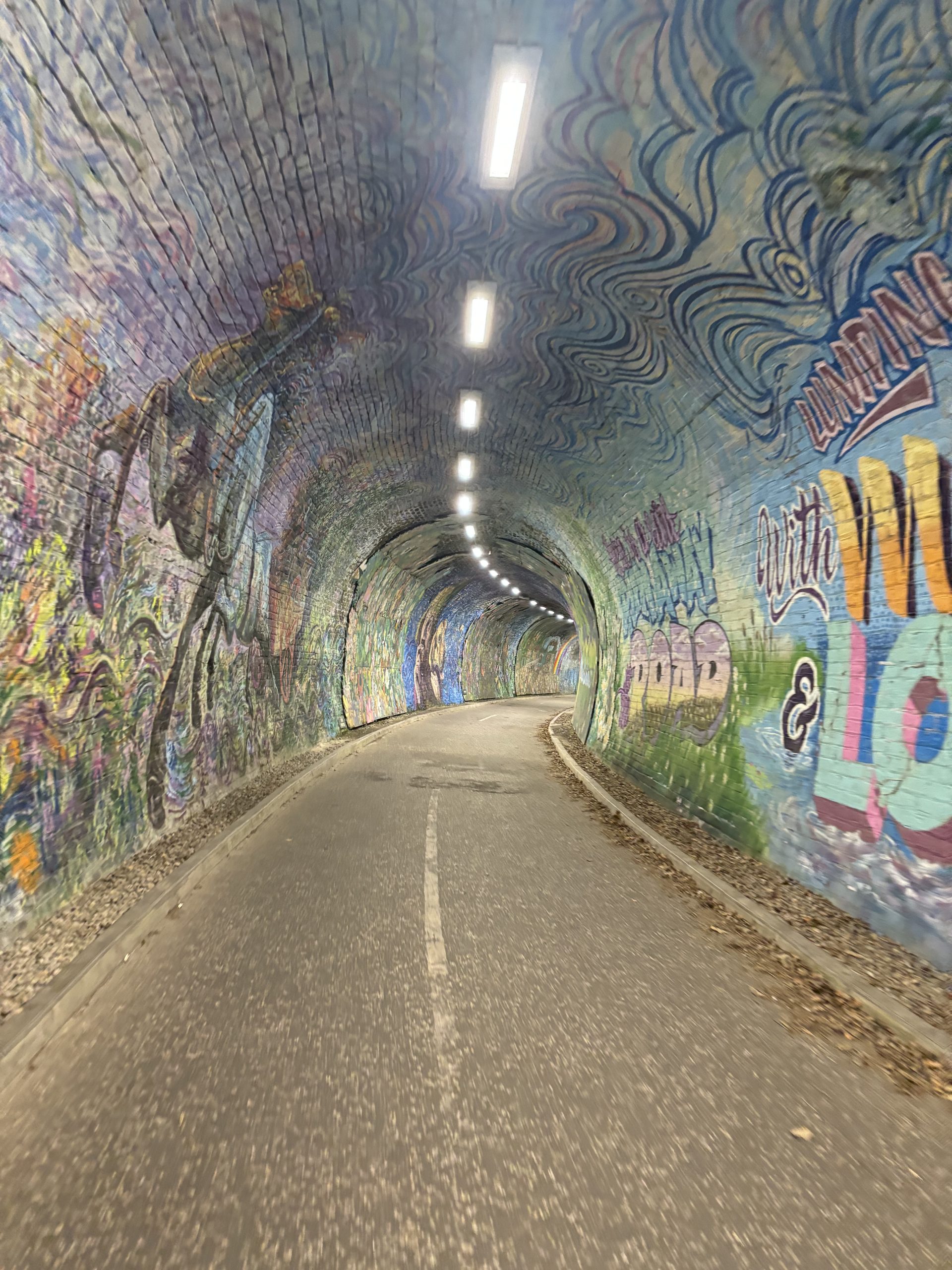
The arrival of the Caledonian Railway’s Balerno branch line in 1874 transformed the character of the area once again. What had been a working village became a popular day‑trip destination for Edinburgh residents. The train could deliver people who lived in the city centre to walking paths and scenic waterside picnics.
The passenger services ran until 1943, and industrial freight until the 1960s. After closure, the line became part of today’s Water of Leith Walkway, a route that winds past old mill sites and stunning riverside woodlands.
While the old railway station has now been converted into a car park and walkway, the Colinton tunnel still stands. In recent years, it has become a mural to celebrate Colinton, and it’s local community.
Ancient Roots: Iron Age Hill Forts in the Pentlands
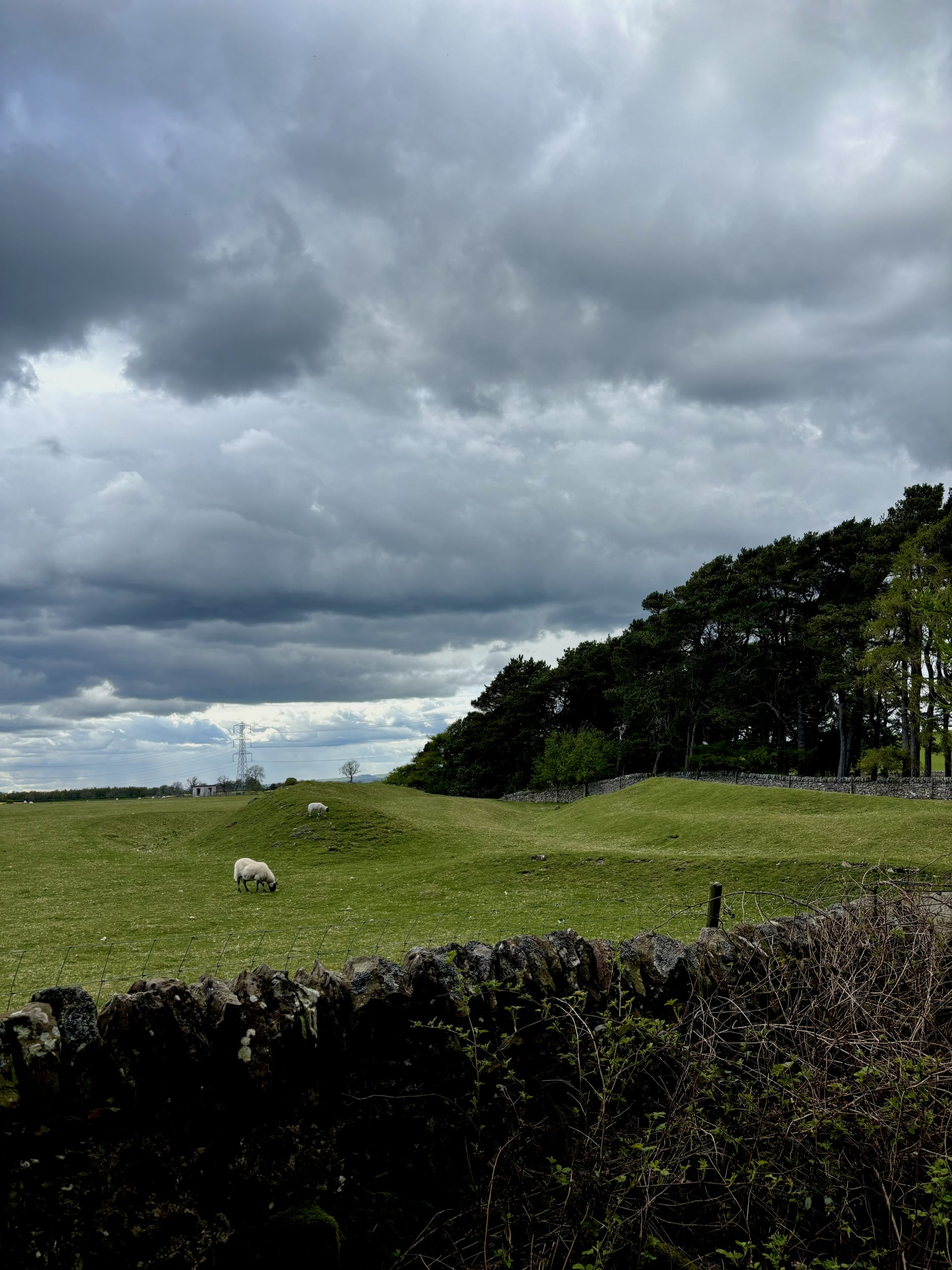
Just a few kilometres southwest of Colinton, the Clubbiedean Reservoir landscape marks footprints of even older habitations. About 25 minutes’ walk from Colinton village centre, along the Torduff reservoir, stand the remains of a prehistoric fortification, thought to date from the Iron Age, which are visible as earthworks of banks, rivetts and ditches. While you’re there, grab a coffee or continue up towards the Capelaw peak or across the Pentland Hills.
It just shows that Colinton has been home to travellers for over 2000 years. Maybe even older than Edinburgh itself!