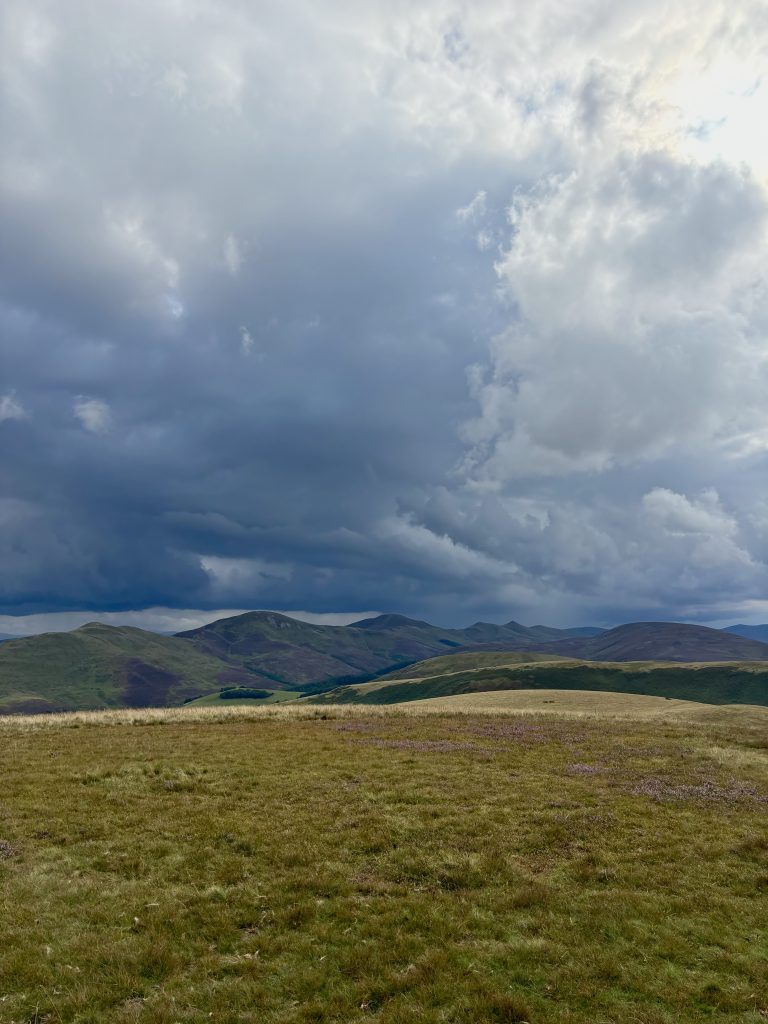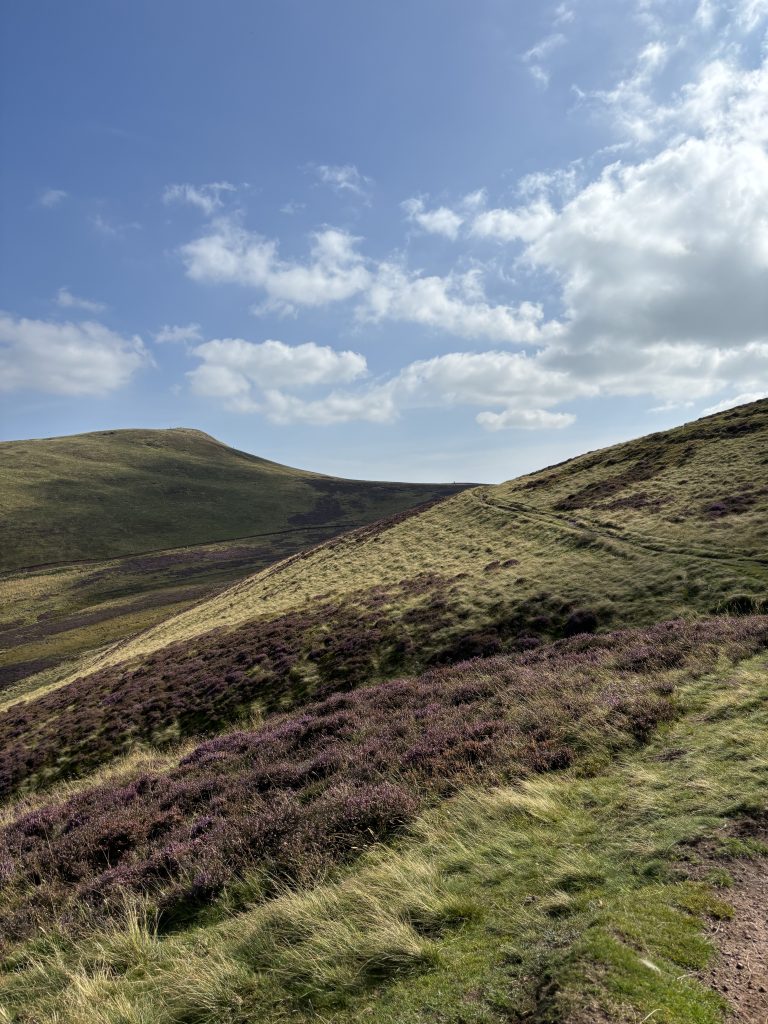
Why do millions of people flock to Edinburgh every year? Ask anyone, and they’ll tell you the same thing: the history, the culture, and the dramatic landscapes.
But what if we told you that one of the UK’s most legendary tourist cities still has a hidden side—one that even most Edinburgh locals don’t know about?
Just steps from Edinburgh’s most breathtaking natural vistas lies Colinton. Tucked along the Water of Leith and steps away from the Pentland Hills, this tranquil pocket has quietly preserved its idyllic village identity, thousands of years of hidden history, and a laid-back charm that steals the heart of everyone who stumbles upon it.
If you want an Edinburgh experience far beyond the crowded Royal Mile or the Port of Leith, this is it.
And as Colinton locals, we’re opening up our notebook to show you the secret details, historic monuments, and quiet trails only the people who live here know about.
- Colinton & Craiglockheart Dell (featuring Colinton Castle)
- Colinton Tunnel.
- Spylaw Park & Galespie House
- Upper Spylaw Mill
- Colinton Parish Church & The Yew Tree
- Spylaw Street & Cuddies Lane Mural
- Colinton Village Centre.
- Tordruff Reservoir
- Bonally Reservoir
How to get to Colinton?
Colinton is very easy to visit. Whether you’re travelling from the airport or the centre of town, there are clear and easy bus routes that will take you to the heart of the village.
Busses
From the airport, you can take the number 18 bus. This bus can take between 30 and 45 minutes to get to Colinton. It runs 24 hours but is often busy.
From the centre of town, there are two buses that take you to Colinton, the numbers 10 and 16. Both buses stop outside Waverley Station and come from Leith. The number ten is slightly shorter, at roughly 30 minutes to Colinton. The 16 is slightly longer, but more scenic, and captures wonderful views across Hill End and the Pentland Hills.
On The Bike
Arguably the quickest – and most scenic – way to visit Colinton is on the bike. Edinburgh has fantastic cycling routes that are both accessible and thoroughly enjoyable.
If you own a bike – or hire one in the city – you can get to Colinton by following the Water of Leith Cycle path, or the Edinburgh Union Canal cycle path, until you get over the aqueduct and turn off towards Colinton at Hailes.
The Craiglockheart & Colinton Dell
We’re starting here because this is by far the most beautiful way to be welcomed into Colinton.
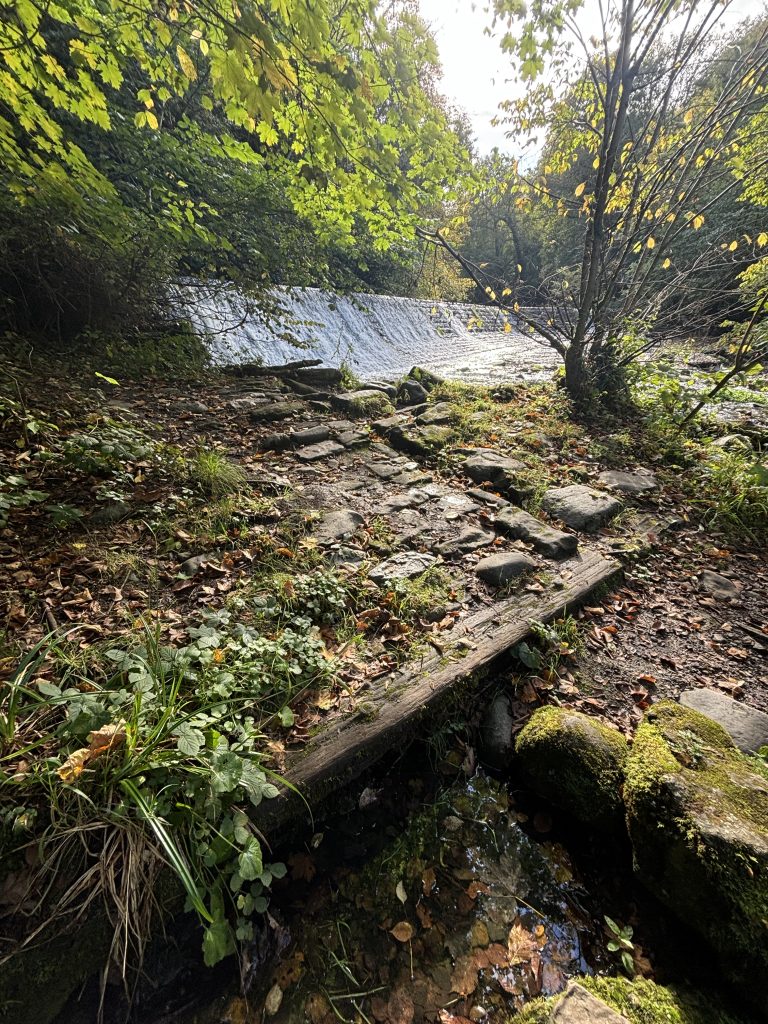
The Dell is a steep wooded gorge that runs roughly 2.5km between Craiglockheart and the Colinton Tunnel – historically, the wooded area was part of lands belonging to Craiglockheart Castle, and a hub for the 18th-century mill industry. Much of the mill infrastructure still gives the riverside walks a unique sense of character.
There is a network of walks in the dell, one passing the old Craiglockheart Grotto, and the other which follows the old train line back to the city centre; this path is now famous with cyclists and walkers of the city.
These days it is a conservation area of sublime beauty – with trees towering about you from all sides, historic monuments taken over by ivy and moss. Of all places, the Dell provides a sense of natural peace, while still being closely connected to the city centre by the Union Canal.
As a side note, there is access to the Merchiston Castle School on the far side of the Dell; on the grounds stood Colinton Castle, a 12th-century structure used as a Hunting Lodge of Mary Queen of Scots. The ruined castle, marked as COHINTON on a map produced in the 16th century, was later replaced by Colinton House in the 1900s.
Redhall Walled Garden.
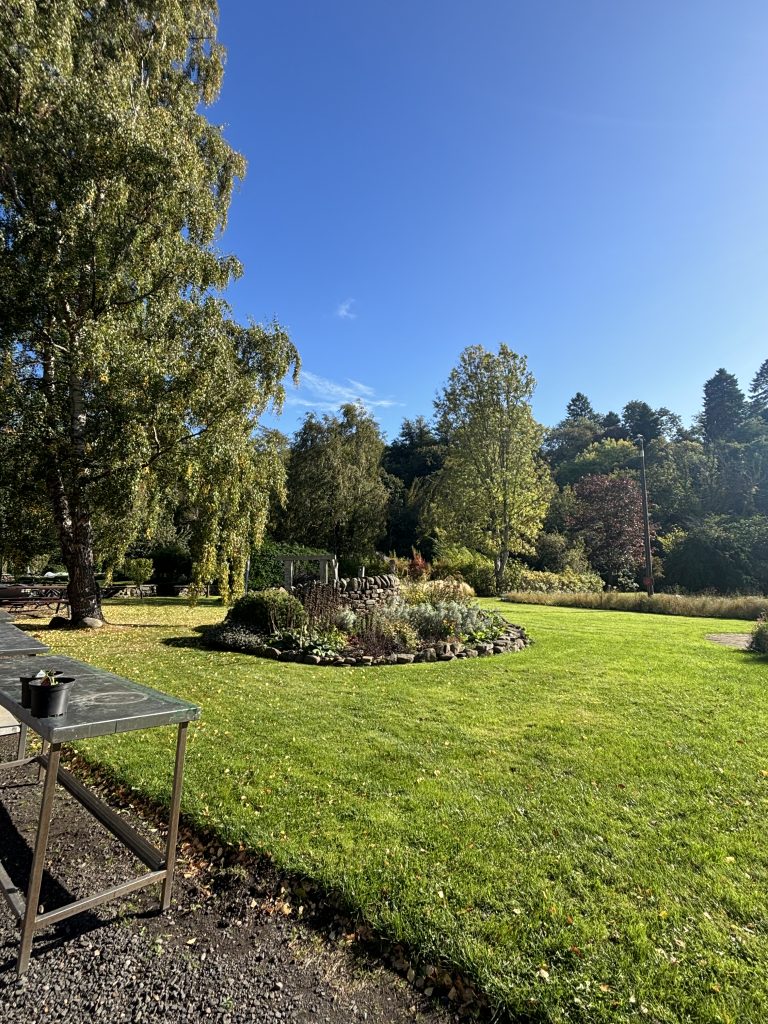
Within the Colinton Dell is the Redhall Walled Garden – a therapeutic horticultural service that is based in an 18th-century walled garden.
This is a hidden, yet, exciting and innovative community garden. Today, it is a training garden with plenty of unusual and unique features, including an Iron Age roundhouse, bog garden, ponds, sunken garden and unusual tree specise.
The garden is managed by SAMH and operated by a team of 50 people recovering from the challenges of mental health problems.
It is a wonderful place to grab a coffee, buy a plant or two, and spend a few hours relaxing and taking in the sanctuary of the dell around you.
Colinton Tunnel Mural
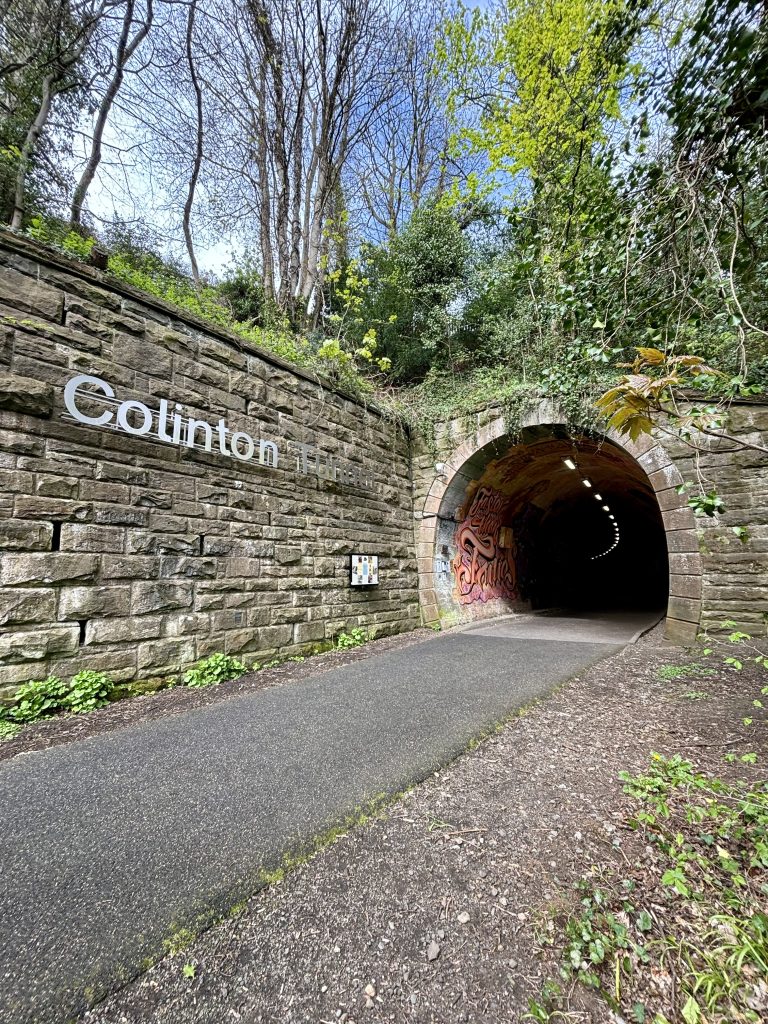
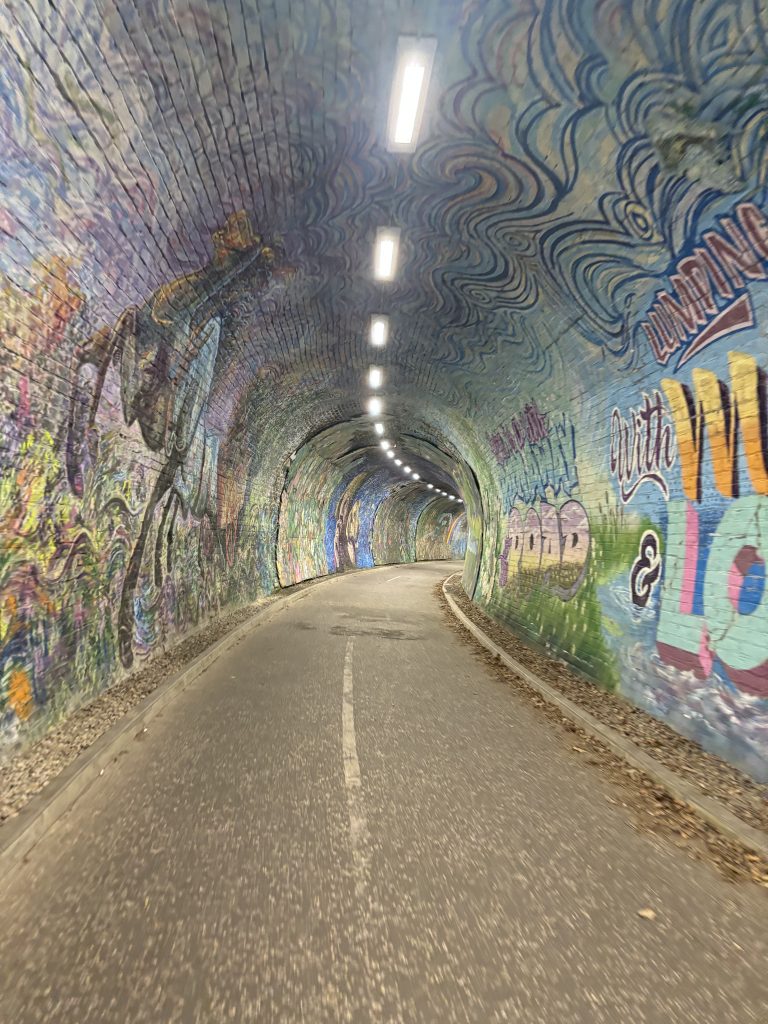
The Colinton Tunnel Mural, Scotland’s largest historical mural, has become a tourist magnet that draws hundreds of visitors from around Scotland, Europe and the USA.
The tunnel was completed in 2021 after a long campaign by the Colinton Tunnel to preserve a piece of Colinton’s history that had fallen into disrepair.
The original design – which runs the full length of the 140 metre tunnel – was designed by the wonderfully talented Chris Ruterford (a Colinton local), who took inspiration from Robert Louis Stevenson’s (another famous visitor of Colinton) poem “From a Railway Carriage”. The final project was taken on by a whole village of artists, local community groups and over 600 young people from 5 local schools.
If you’d like a full outline of the history of the Colinton Tunnel, you can visit the official website here.
As you wander through the tunnel from its entrance in the Dell, you will come out the other side into Colinton, where the old railway station was situated. Continuing for 150m, you’ll enjoy stunning views of the river and village to your left, Gillespie Bridge (built in 1874) above your head, and Millstones to your right.
Spylaw Park & Gillespie Bridge.
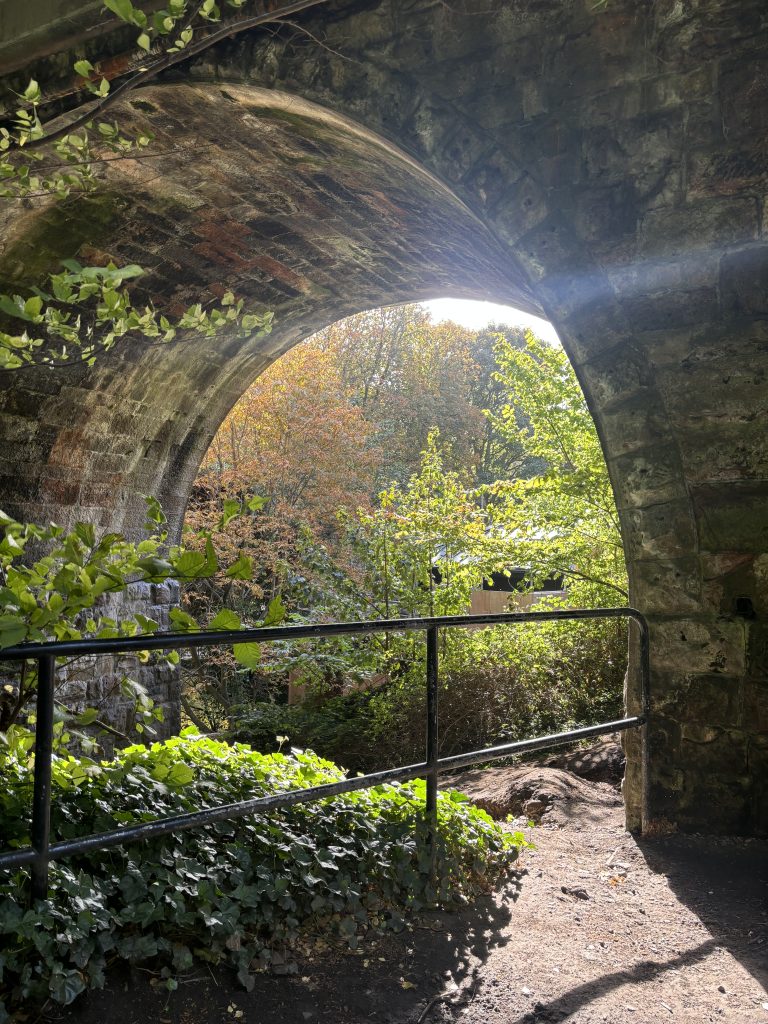
As you leave the Colinton Tunnel, you enter the village upon the site of the old train station. On your left is the village itself, and directly ahead is the Gillespie Bridge. While the original stone bridge is first recorded in 1666, the current structure was built in the 1870s.
Here you can turn left, down spiral stairs, past the Colinton village Hub, and past the site of an old mill – still piping water from above onto a brass-coloured lock where a millstone would have sat.
It is thought that mills have been in this area since 1226, when Colinton was called Hailes. At one point in time, all Scots Porridge Oats were processed at the West Mills, a little upstream.
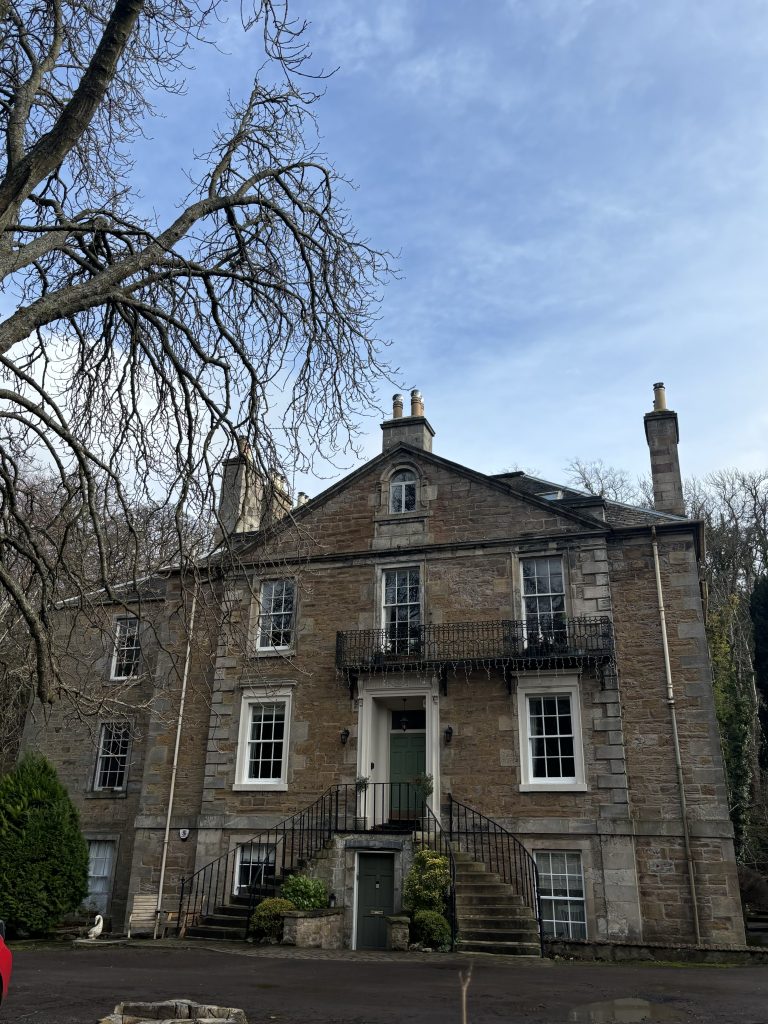
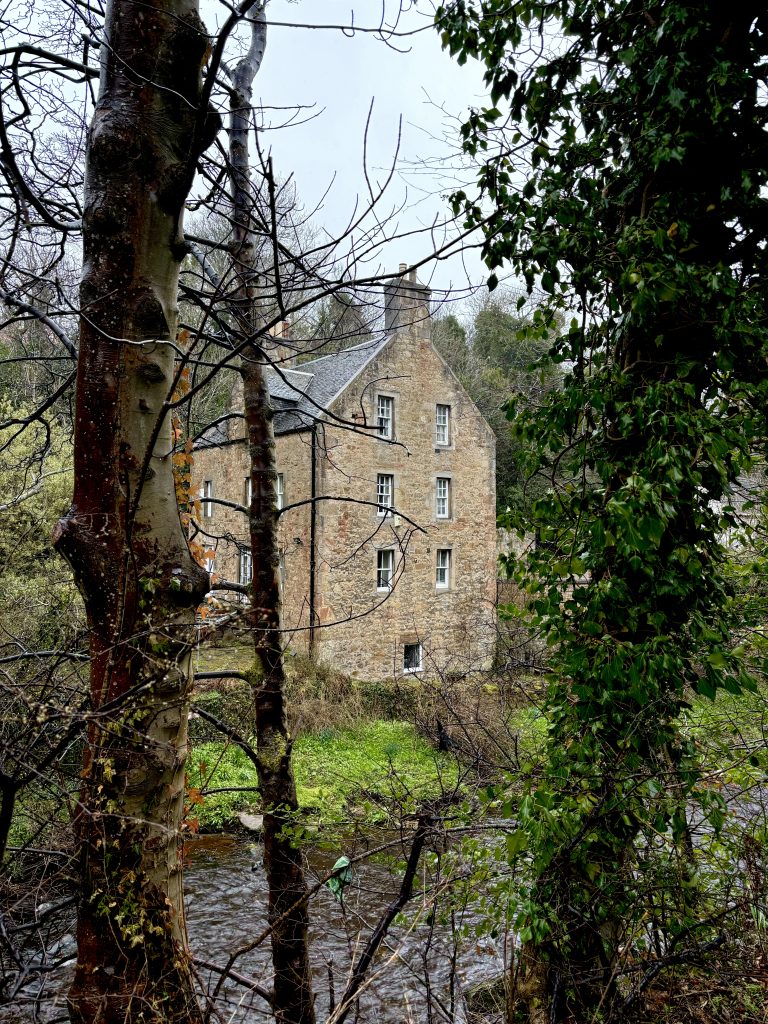
The house purchased in the middle of the park was built in 1650 – originally a mill and home to James Gillespie, the famous snuff merchant. It was later expanded in 1773 into the mansion you see today, before he died in 1797. Since it has changed from a hostel, to have been converted into flats.
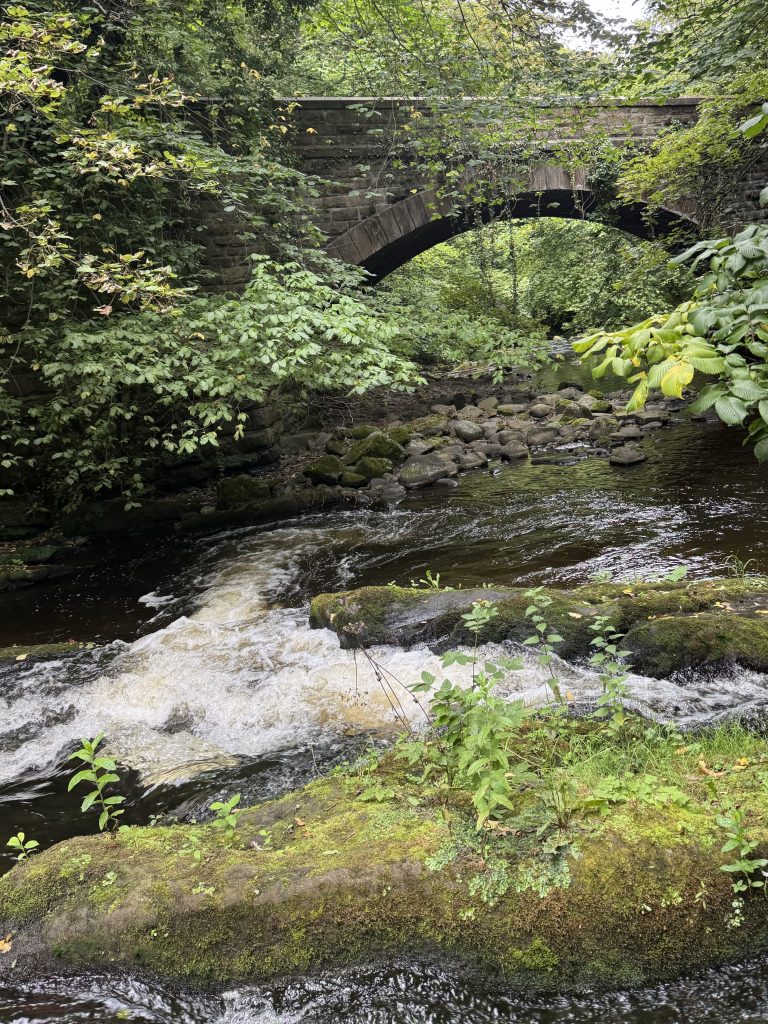
Behind the house runs the Water of Leith from the West Mills. As you cross the bridge, you can turn right into the woodland river walk or head up the hill into Colinton Village.
Upper Spylaw Mill & Juniper Green Walkway
As a distraction, if you wish to continue walking along the water away from town, you will eventually find yourself at Juniper Green. This path can be followed all the way to Balerno (3.5 miles). It is a scenic and historic route, past old mills and with access to Harlaw Reservoir.
About a mile from Spylaw Park is the historic Upper Spylaw Mill, now converted to flats.
Upper Spylaw Mill, (adjacent to West Mill Road) is Scotland’s 4th oldest paper mill. First producing paper in 1682 and later snuff in 1765. The owner was William Reid, a great rival of James Gillespie. In April 1776, a report in the Edinburgh Advertiser recorded a raid by police, who found smugglers with green and Bohea tea from China, and Brandy!
As you reach the small metal bridge at the junction with stairs heading up to Juniper Green, you can loop back around and walk down West Mill Road, which returns to the Water of Leith walkway and Spylaw Park; the walk is magical from both sides of the river with ruins of old mills along the waterway.
Spylaw Street & Cuddies Lane
As you reach the top of the hill, you’re entering Colinton’s historic village centre.
As you step into the road, look left along Spylaw Street. This is one of the most famous postcard snaps from the area, particularly in Summer and Autumn. The trees frame an idyllic village scene that rivals that of Dean Village. To the left is also one of Colinton’s Pubs – The Spylaw – a very welcoming stop for a local tipple or bite to eat.
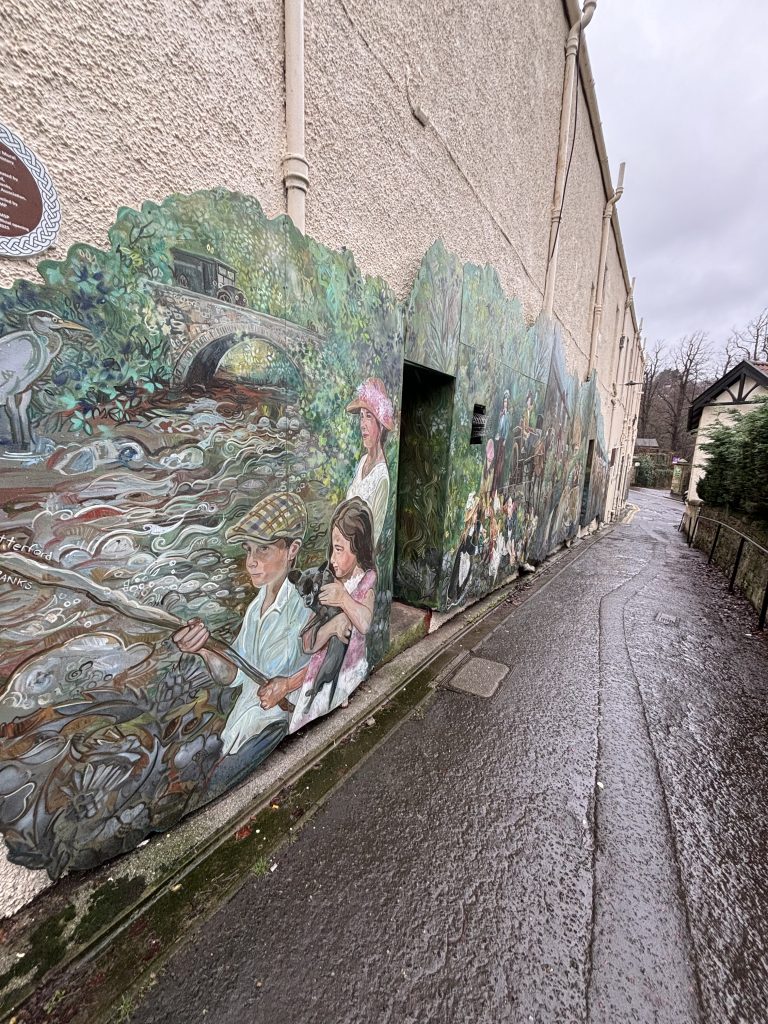
If you carry on straight ahead, you’ll see the Cuddies Lane mural – linked with the Colinton Tunnel – celebrating the community that thrived in this area for generations. The Mural was again designed by Chris Rutterford and commissioned by the Colinton Amenity Association (CAA).
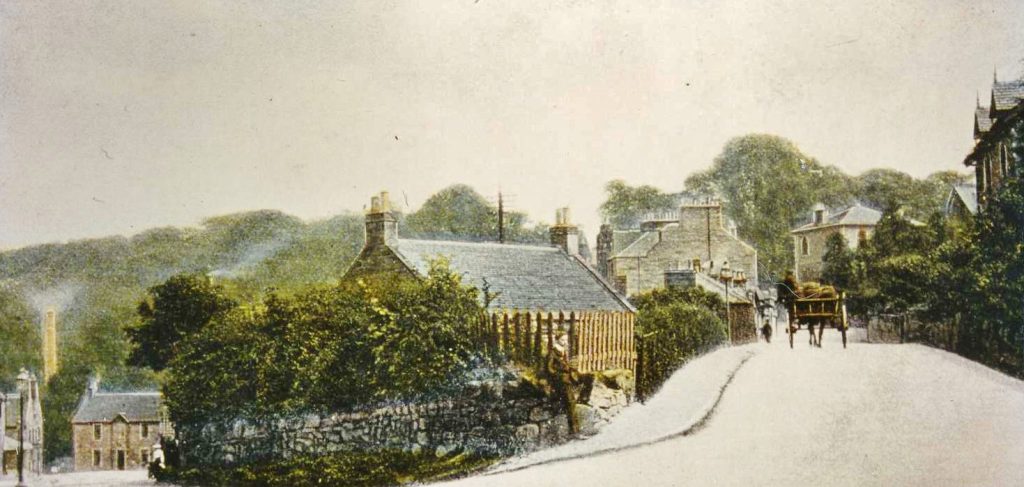
The area- often called bridge-end – has been part of the original Colinton Village for at least 600 years, and commemorates the industrial heritage from the 19th century on the spot of the village’s blacksmith.
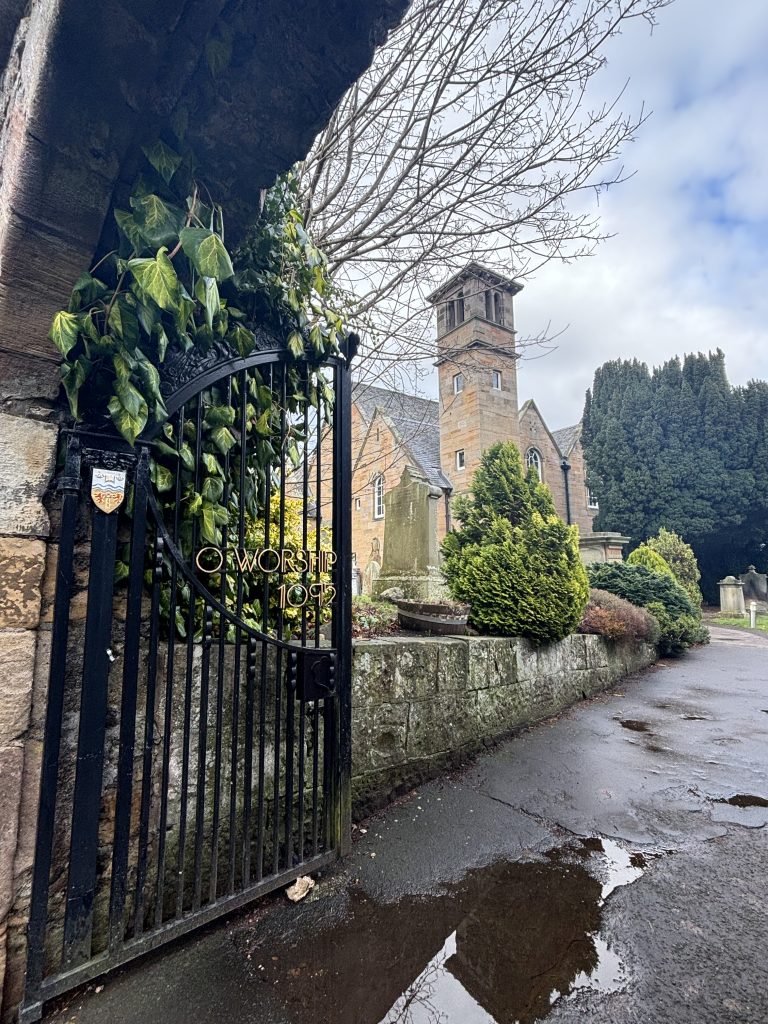
Colinton Parish Church (est 1095)
This is where the documented history of Colinton began. The area was undoubtedly occupied and used as a fording point for potentially thousands of years before the church, but evidence of that has been lost to time.
Now St Cuthbert’s Church, originally the parish of Hails, was founded by Ethelred, Earl of Fife, and the son of King Malcom III. The church was under the authority of Dunfermline Abbey – the historic seat of the Scottish Kings. Its presence is confirmed in history by a Papal Bull from Pope Gregory.
The church was rebuilt in 1248 and stood until 1544 when it was destroyed by the English invasion (famous called the “Rough Wooing” a part of a campaign to draw the Scottish gentry from Catholic French influence). The current church site was established in 1636 and rebuilt twice in 1771 and 1907 – later renovated in the 1990s (what we see today).
For fans of Scottish fiction, the church is most famous as the childhood playground of Robert Louis Stevenson. His grandfather, Dr. Lewis Balfour, served as the parish minister, and the “golden days” Stevenson spent at the Manse inspired much of his poetry – and later works.
Two of the most striking physical features on the grounds are the ancient Yew tree – RLS was said to have used as a swing – a massive sentinel likely 6 centuries old, and a haunting iron mortsafe.
This heavy iron casket-like cage is a grim reminder of the 19th-century “Resurrection Men,” designed to bolt down coffins and protect the recently deceased from Edinburgh’s notorious body snatchers – something Stevenson later took inspiration from.
Inside the church is a community cafe where you can enjoy a coffee in beautiful surroundings, but also wander around the area reading more about the characters that existed here hundreds of years ago.
Bonally to Tordruff Reservoir (Clubbiedean Cafe), the Bonally
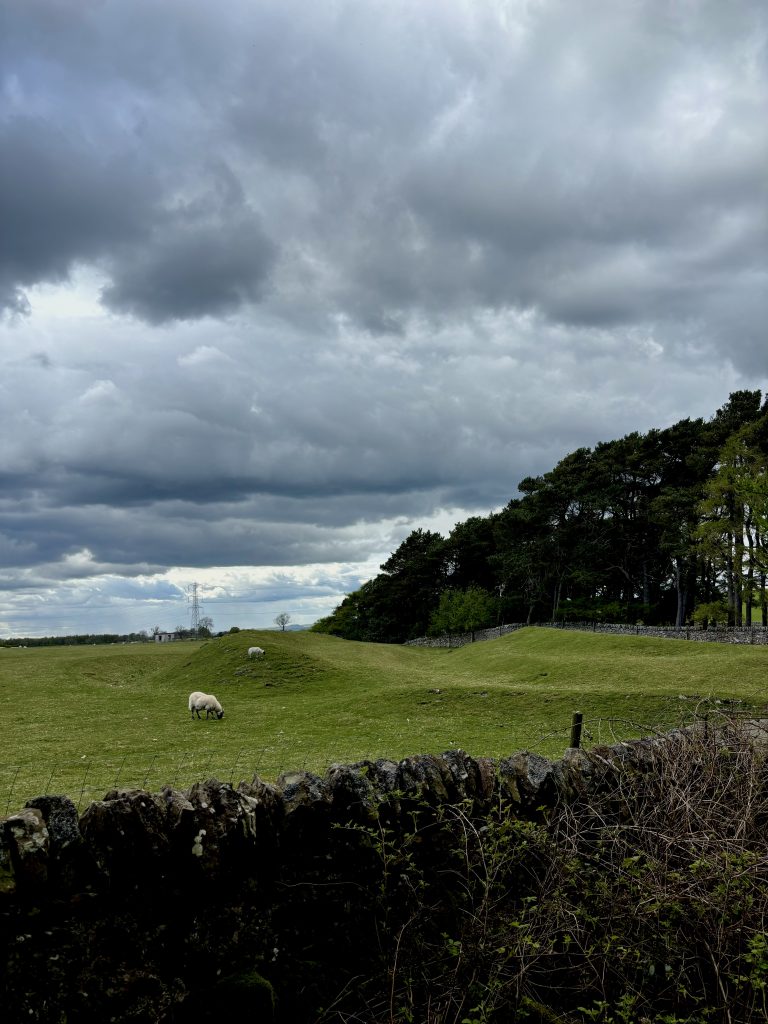
Colinton’s village charm doesn’t end there – it stretches out for miles and miles, up into the Pentland Hills. Accessible from Woodhall Road, Spylaw Park, and West Mill Road – head for Bonally Road towards the Pentland Hills.
Bonally is a picturesque residential area first recorded in 1280 and takes you over the city bypass into the Pentland foothills. If you’re in Edinburgh for only a few days, you do not need to travel north to experience the jaw-dropping beauty of the Scottish Highlands – the Pentland Hills are less than an hour from the city centre.
The most accessible route takes you to Torduff Reservoir, which offers stunning views across Edinburgh and across the Bonally Foothills.
Make. aday of it, and visit the Clubbiedean Cafe and Clubbiedean Reservoir. Here, you can grab a coffee and walk around the water – into the woods past the Clubbiedean Iron Age fort.
Beyond into the Pentland Hills
Technically, Colinton ends at the Bonally foothills, but there are miles and miles to explore. The Pentland Hills are around 35 square miles of dramatic hills, crofts and reservoirs. It is accessible on foot and on mountain bikes. It is a very popular destination for walkers, runners and cyclists on a sunny weekend.
Whether you go to camp, or explore, there is plenty to see and do in the hills.